
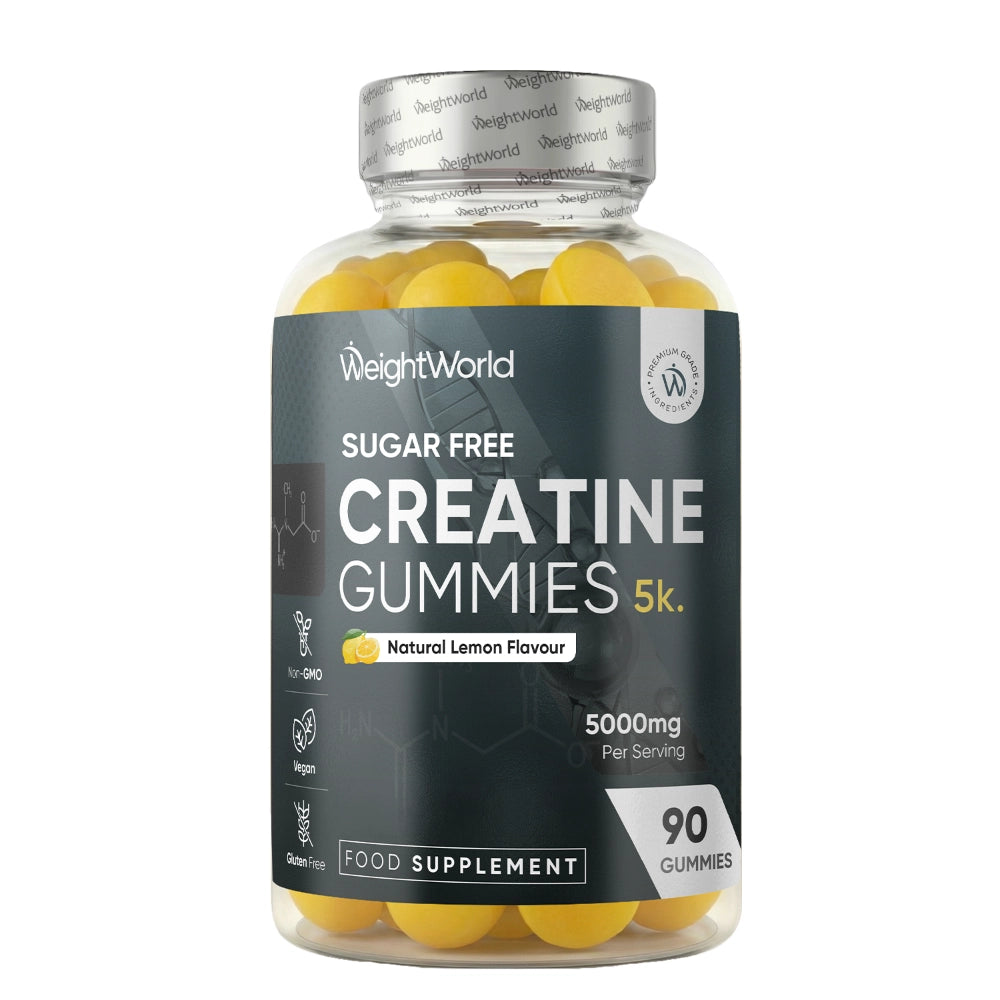
Creatine remains one of the most researched and widely used performance-enhancing supplements for athletes, bodybuilders, and anyone looking to improve strength and recovery. With a growing market in the United Kingdom, shoppers are faced with a plethora of options ranging from powders to capsules and even gummies. This guide breaks down the essential considerations, from understanding the different forms of creatine to spotting high-quality products and finding reputable retailers. By the end of the article, readers will have a clear roadmap for selecting the right creatine supplement that aligns with their goals, budget, and safety standards.
1. Types of Creatine Available
Although many brands market a single “creatine” product, the supplement actually comes in several chemically distinct forms. Knowing the differences helps narrow the search and avoid unnecessary spending.
Common Variants
- Creatine Monohydrate – The gold standard; backed by the most scientific evidence, it offers excellent solubility and cost-effectiveness.
- Creatine HCl – Hydrochloride form, marketed for better absorption and reduced bloating.
- Creatine Ethyl Ester (CEE) – Claims faster uptake, though research is mixed.
- Buffered Creatine (Kre-Alkalyn) – Designed to maintain a higher pH, theoretically reducing degradation.
- Creatine Gummies – Convenient chewable format, appealing for those who dislike mixing powders.
2. Key Factors When Choosing a Creatine Supplement
Beyond the chemical form, several practical criteria influence the overall value and suitability of a product.
- Purity and Labelling – Look for products that disclose the exact amount of creatine per serving and list any additives.
- Third-Party Testing – Certifications from bodies such as Informed-Sport or Labdoor provide an extra layer of confidence.
- Solubility – A powder that dissolves easily reduces the chance of gritty texture and improves compliance.
- Flavor and Sweeteners – For flavored powders or gummies, check for natural flavorings and avoid excessive artificial sweeteners.
- Price per Gram – Compare the cost of creatine per gram of active ingredient rather than the total package price.
3. Verifying Quality and Safety
Ensuring a supplement’s safety is paramount, especially when purchasing online. Follow these steps to confirm product integrity.
- Check for a batch number and expiry date on the packaging.
- Confirm that the manufacturer follows Good Manufacturing Practices (GMP).
- Search for independent lab reports that detail heavy-metal testing and microbial counts.
- Read customer reviews on reputable retailer sites for real-world feedback on mixability and side effects.
4. Where to Purchase Creatine in the UK
The UK market offers both brick-and-mortar and online options. For convenience and a wide selection, many turn to specialised nutrition e-stores. A reliable source often provides detailed product information, transparent pricing, and fast delivery. When looking for a trustworthy outlet, consider searching for where to buy creatine or checking dedicated sections for a creatine supplement uk. These portals typically feature filters for form, flavour, and certification, making it easier to match personal preferences.
5. Pricing and Value Considerations
Creatine is generally affordable, but price variations can be misleading. Bulk purchases may lower the per-gram cost, yet it is essential to balance savings with freshness. A practical approach is to calculate the cost per 5-gram serving (the standard daily dose) and compare it across brands. For example, a 500″?g tub of pure creatine monohydrate might cost ?15, equating to ?0.15 per serving, whereas a flavored gummy pack could be ?25 for the same amount of active creatine, raising the cost per serving to ?0.25. Evaluate whether added convenience justifies the premium.
6. Frequently Asked Questions
Is creatine safe for long-term use?
Extensive research indicates that creatine monohydrate is safe for healthy adults when taken at recommended doses (3-5″?g per day). Individuals with pre-existing kidney conditions should consult a healthcare professional before starting supplementation.
Do I need a loading phase?
Loading (20″?g per day for 5-7 days) can saturate muscle stores faster, but a steady dose of 3-5″?g daily reaches similar levels within 3-4 weeks without the need for a loading phase.
Can I take creatine with other supplements?
Creatine mixes well with protein powders, pre-workout formulas, and carbohydrate sources. Pairing it with a post-workout carbohydrate can enhance uptake via insulin-mediated pathways.
7. Making the Final Decision
Choosing the right creatine supplement involves aligning scientific evidence, personal preferences, and budget constraints. By focusing on purity, third-party testing, and reputable retailers, shoppers can confidently buy creatine that delivers the promised performance benefits. Whether opting for a classic monohydrate powder, a flavored capsule, or a convenient gummy, the key is to verify that the product contains the advertised amount of creatine and meets safety standards. Armed with this knowledge, athletes and fitness enthusiasts across the UK can make informed purchases and experience the well-documented gains in strength, power, and recovery.
For those ready to explore the market, a quick search for creatine for sale or creatine buy will reveal a curated selection of high-quality options, making the shopping experience both efficient and reliable.

