
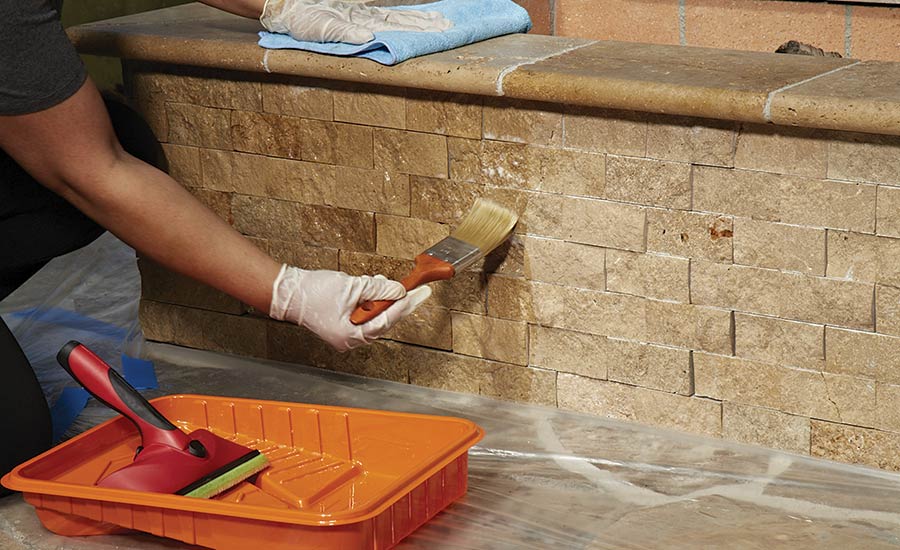
Choosing the right natural stone sealer is essential for preserving the beauty and longevity of stone surfaces. Whether you’re dealing with a marble countertop, a granite floor, or any other stone surface, selecting an appropriate sealer can protect against stains, moisture, and wear and tear. Understanding the different types of sealers and their applications can help make an informed decision. This guide aims to demystify the process of choosing the perfect stone sealer for any project.
Understanding Natural Stone Sealers
Natural stone is porous and can easily absorb liquids and other substances, which can lead to staining. A natural stone sealer acts as a barrier to prevent this absorption, keeping the stone surface looking pristine.
Types of Natural Stone Sealers
There are primarily three types of natural stone sealers to consider:
- Penetrating Sealers: These sealers absorb into the stone, offering protection from within. They are ideal for outdoor areas and high-traffic surfaces as they do not alter the stone’s appearance.
- Topical Sealers: These create a protective layer on the surface of the stone. They are suitable for indoor applications where a glossy finish is desired.
- Enhancing Sealers: These not only protect but also enhance the color and texture of the stone, offering a more vibrant appearance.
Factors to Consider When Choosing a Sealer
Several factors should be considered when selecting a natural stone sealer:
- Type of Stone: Different stones have varying levels of porosity. For instance, marble is more porous than granite, necessitating a more robust sealer.
- Location: Indoor and outdoor environments require different types of sealers due to exposure to elements and foot traffic.
- Finish: Consider whether you want a natural look or if you prefer an enhanced or glossy finish.
- Durability: Evaluate how often the surface will be used and choose a sealer that provides adequate protection.
- Ease of Application: Some sealers require professional application, while others are DIY-friendly.
Application Tips for Best Results
To achieve optimal results, follow these application tips:
- Clean the Surface: Ensure the stone is free from dust, dirt, and stains before applying the sealer.
- Test a Small Area: Apply the sealer on a small, inconspicuous area first to ensure compatibility and desired results.
- Follow Manufacturer Instructions: Each sealer has specific application guidelines. Following them ensures the best protection.
- Apply Evenly: Use a brush, roller, or sprayer to apply the sealer evenly across the surface.
- Allow Adequate Drying Time: Give the sealer enough time to dry and cure before using the area.
Long-term Maintenance and Care
Even with a high-quality stone sealer, regular maintenance is crucial for preserving the stone’s appearance and durability:
- Regular Cleaning: Use pH-neutral cleaners to avoid damaging the sealer and stone.
- Reapplication: Reapply the sealer as needed, based on the manufacturer’s recommendations and the stone’s condition.
- Inspect for Damage: Periodically check for signs of wear or damage to address issues promptly.
By understanding the different types of sealers, considering the specific needs of the stone and its environment, and following proper application and maintenance techniques, selecting the right natural stone sealer becomes a straightforward process. This approach not only enhances the aesthetic appeal of stone surfaces but also extends their lifespan, ensuring they remain a valuable asset in any space.