
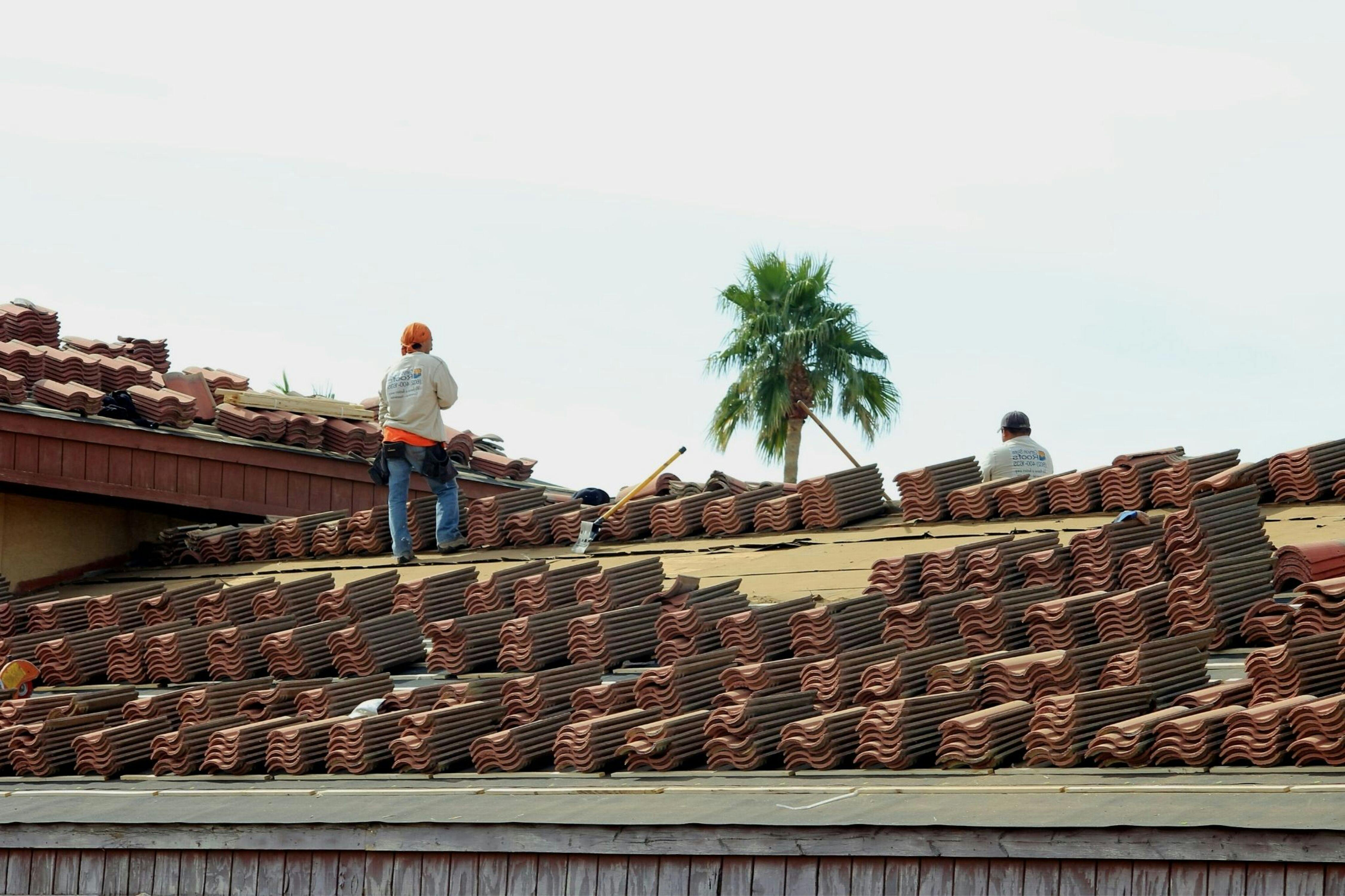
Commercial roof leaks can pose significant challenges, potentially affecting business operations and financial stability. Identifying and addressing these leaks promptly is crucial to maintaining the integrity of the building structure and preserving the safety of its occupants. While a professional assessment is always recommended, there are several quick fixes that can serve as interim solutions until expert help arrives. This article outlines some effective strategies for managing commercial roof leaks, ensuring minimal disruption to business activities.
Identifying the Source of the Leak
The first step in addressing a commercial roof leak is to locate its source. This can often be more complex than it appears, as water may travel along various paths before becoming visible.
- Inspect the interior: Look for water stains on ceilings and walls as indicators of potential leak locations.
- Check roofing materials: Examine the roof surface for obvious signs of damage, such as punctures or missing shingles.
- Evaluate flashing and seals: Pay special attention to areas around vents, chimneys, and skylights where flashing might have deteriorated.
For a more comprehensive understanding of leak detection, discover expert strategies here.
Temporary Repair Solutions
Once the source of the leak is identified, applying a temporary fix can help prevent further damage until a permanent solution is implemented.
Use of Roof Patch
A roof patch can be a quick fix for small leaks. It involves applying roofing cement or a similar compound to the affected area.
- Clean the area: Remove any debris or dirt from the surface to ensure the patch adheres properly.
- Apply the patch: Spread the cement over the leak and press down firmly to seal the area.
- Check for effectiveness: Monitor the patch during rain to ensure no further leakage occurs.
To learn more about effective patching techniques, explore advanced guides and tips.
Tarp Covering
For larger leaks or when adverse weather conditions are expected, covering the affected area with a tarp can provide a temporary solution.
- Secure the tarp: Use ropes or heavy-duty tape to hold the tarp in place, ensuring it covers the entire affected area.
- Check for gaps: Make sure the tarp is tightly secured to prevent wind from lifting it and allowing water underneath.
Find out more about this approach to manage unexpected leaks.
Preventative Measures and Professional Assistance
While quick fixes are useful, long-term solutions should involve preventative measures and professional input to avoid future leaks.
Regular Inspections
Scheduling routine roof inspections can help identify potential issues before they develop into significant problems. This proactive approach ensures that the roof remains in optimal condition.
- Seasonal checks: Conduct inspections at least twice a year, preferably before and after extreme weather conditions.
- Professional assessment: Engage roofing experts to provide a detailed analysis and recommendations.
Learn about our tailored solutions for comprehensive roof maintenance.
Implementing Durable Repairs
For a long-lasting resolution, consider investing in quality materials and professional repair services.
- Upgrade materials: Use high-grade roofing materials that offer better durability and weather resistance.
- Hire professionals: Ensure repairs are conducted by experienced roofing specialists who can guarantee quality workmanship.
For more detailed guidance, explore advanced guides and tips.
Addressing commercial roof leaks promptly and effectively is vital for the safety and operational efficiency of any business. By combining quick fixes with professional maintenance strategies, businesses can ensure their roofing systems remain robust and reliable.

