
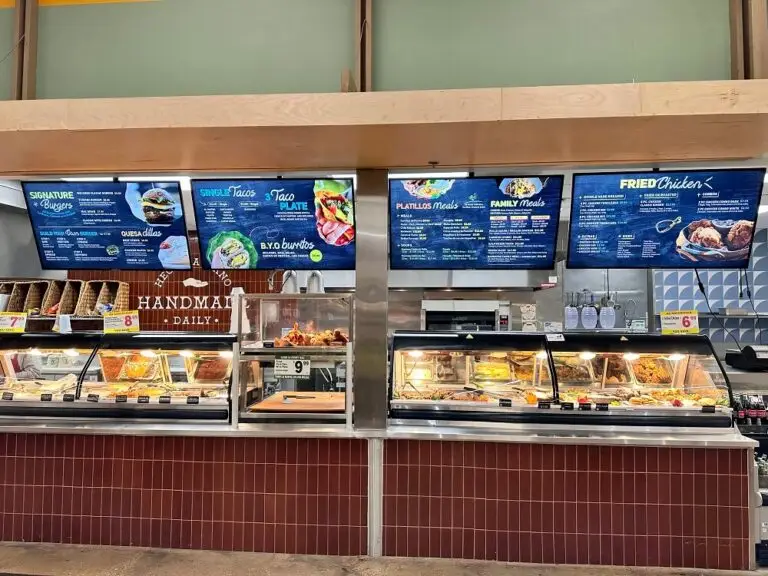
In today’s competitive market, standing out is more crucial than ever for businesses, particularly in the hospitality sector. An effective way to enhance customer engagement and boost sales is through the use of interactive menu displays. These dynamic tools offer a modern twist to traditional menus, captivating customers’ attention and providing a unique dining experience. By integrating technology into menu presentations, businesses can enhance customer interaction, streamline ordering processes, and ultimately increase their revenue. This article delves into the benefits and strategies of using interactive menu displays, offering insights into their potential to transform customer experiences.
Understanding Interactive Menu Displays
Interactive menu displays are digital screens that present menu items in a visually appealing and engaging manner. These screens can be installed in various formats, such as:
- Tabletop tablets allowing customers to browse and order directly from their seats.
- Wall-mounted screens showcasing specials and promotions.
- Self-service kiosks that streamline the ordering process.
- Digital signage that updates in real-time, offering flexibility in menu management.
By utilizing these technologies, businesses can provide an enhanced customer experience and operational efficiency. Learn about our tailored solutions for implementing these systems effectively.
Benefits of Interactive Menu Displays
Enhanced Customer Engagement
Interactive menus captivate customers with vibrant images and detailed descriptions, offering an immersive dining experience. This engagement can lead to increased order sizes as customers are more likely to explore the full range of options available. Find out more about this approach to captivate your audience.
Improved Order Accuracy
With interactive menus, customers input their orders directly, reducing the potential for human error in order-taking. This not only improves customer satisfaction but also streamlines kitchen operations, allowing for faster service times.
Dynamic Content Updates
One of the significant advantages of digital displays is the ability to update content in real-time. Whether it’s changing daily specials or seasonal items, businesses can quickly adapt their offerings to meet demand without the need for costly reprints. Discover expert strategies here for maintaining fresh and relevant content.
Implementing Interactive Menu Displays
Choosing the Right Technology
Selecting the appropriate technology is crucial for successful implementation. Consider factors such as the size of the display, touch capabilities, and integration with existing POS systems. Researching and choosing solutions that align with business needs can make a significant difference in the long-term success of the interactive menu system.
Training Staff and Customers
For seamless integration, it’s vital to train both staff and customers on how to use the new systems. Staff should be well-versed in troubleshooting minor issues and assisting customers as needed. Providing clear instructions or short tutorials can enhance user experience and adoption rates.
Monitoring and Analytics
Interactive menu displays often come with analytics capabilities, allowing businesses to monitor customer preferences and sales performance in real-time. This data can be invaluable for making informed decisions regarding menu changes and promotional strategies. Explore advanced guides and tips on leveraging analytics for business growth.
Conclusion
Interactive menu displays are a powerful tool for businesses looking to enhance their customer experience and drive sales. By offering engaging, accurate, and dynamic content, these displays can transform the way customers interact with a brand. As technology continues to evolve, staying ahead with innovative solutions like interactive menu displays will be key to thriving in a competitive market. To further explore the potential of interactive menu displays, find out more about this approach and how it can be tailored to specific business needs.

