
Demolition projects, whether for residential, commercial, or industrial purposes, require meticulous planning and execution. The complexity of such tasks often demands a strategic approach to ensure safety, efficiency, and regulatory compliance. Understanding the foundational aspects of demolition management can transform a daunting task into a streamlined process. The following guide provides essential tips and insights to help manage a demolition project successfully.
Comprehensive Planning and Assessment
Before embarking on a demolition project, a comprehensive assessment of the site is paramount. This includes understanding the structural intricacies of the building, identifying potential hazards, and evaluating the environmental impact. A thorough site survey should be conducted to gather all necessary data.
- Conduct a detailed structural analysis to understand the requirements.
- Identify and manage potential hazards such as asbestos or lead.
- Evaluate local environmental regulations to ensure compliance.
Discover expert strategies here that can guide the planning phase effectively.
Choosing the Right Demolition Method
Selecting the appropriate demolition method is crucial to the success of the project. Several factors such as the structure’s location, the materials used, and the surrounding environment influence this decision.
Controlled Demolition
This method is ideal for densely populated areas where precision and safety are paramount. Techniques such as implosion or high-reach arm demolition require skilled operators and meticulous planning.
Mechanical Demolition
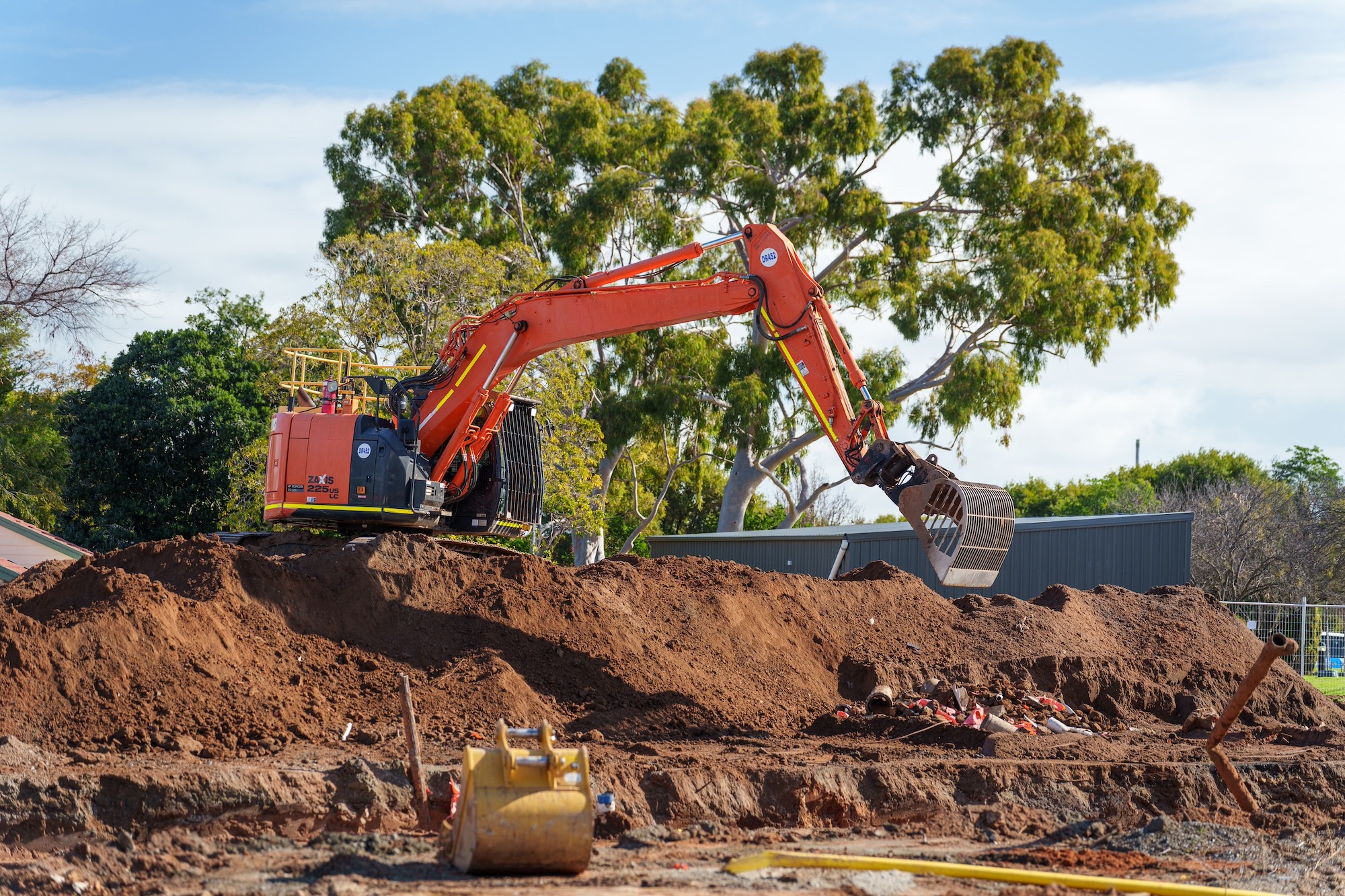
Utilizes heavy machinery like excavators and bulldozers for efficient clearing. It’s suitable for isolated areas where noise and debris control are less of a concern.
Learn about our tailored solutions here to choose the best method for your project.
Regulatory Compliance and Permits
Navigating the legal landscape is a critical component of demolition management. Compliance with local regulations and obtaining the necessary permits can prevent costly delays and legal complications.
- Familiarize with local building codes and environmental laws.
- Secure demolition permits well in advance.
- Implement safety protocols to protect workers and the public.
Explore advanced guides and tips here to ensure regulatory adherence.
Effective Waste Management
Waste management is a significant aspect of demolition projects. Efficient handling and disposal of debris not only comply with environmental standards but also contribute to sustainability.
- Sort and recycle materials whenever possible.
- Ensure proper disposal of hazardous materials.
- Implement waste minimization strategies to reduce the environmental footprint.
Find out more about this approach here to enhance your waste management practices.
Post-Demolition Site Management
Once the demolition is complete, attention must turn to site restoration and preparation for future use. This phase involves clearing any remaining debris, conducting site inspections, and ensuring the area is safe for subsequent development.
- Conduct a final site inspection to ensure all debris is cleared.
- Prepare the site for redevelopment according to the project’s future plans.
- Document the project for compliance and future reference.
Explore advanced guides and tips here to manage the post-demolition phase efficiently.
In conclusion, managing a demolition project is a multifaceted endeavor that demands careful planning, execution, and compliance. By adhering to these guidelines and leveraging professional resources, a demolition project can be completed successfully and responsibly. For more comprehensive insights and professional assistance, consider visiting De-Construct.