
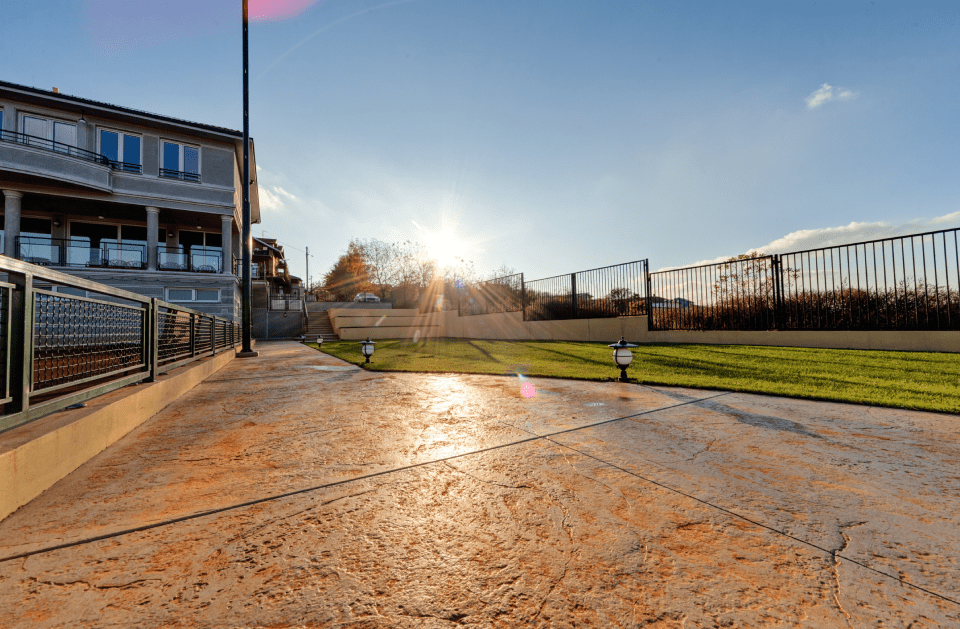
When a commercial space requires a durable, long-lasting foundation, the quality of concrete installation can make the difference between frequent repairs and a seamless, low-maintenance surface. Superior commercial concrete installation combines precise engineering, high-grade materials, and meticulous execution to meet the demanding load-bearing and aesthetic requirements of modern businesses. Understanding the key factors that influence performance helps property owners and facility managers choose the right expertise for projects ranging from retail floors to industrial warehouses.
Why Quality Matters in Commercial Concrete Installation
Commercial environments are subject to heavy foot traffic, machinery, and environmental stresses that ordinary residential mixes cannot tolerate. Selecting a reputable commercial concrete contractor ensures that the mix design, reinforcement, and curing processes are tailored to the specific load and durability needs of the project.
Core Benefits of Professional Installation
- Structural Integrity: Properly placed reinforcement and correct slump ratios prevent cracking under heavy loads.
- Longevity: High-quality materials and controlled curing extend the service life, reducing long-term maintenance costs.
- Safety Compliance: Adherence to local building codes and OSHA standards safeguards occupants and equipment.
- Surface Uniformity: Consistent finish improves aesthetics and facilitates subsequent flooring or coating systems.
Key Steps in the Installation Process
Every successful project follows a systematic approach that addresses preparation, placement, and finishing. The following stages illustrate the typical workflow of a seasoned commercial concrete services provider.
1. Site Evaluation and Planning
- Assess soil conditions, drainage patterns, and load requirements.
- Develop a mix design that balances strength, workability, and environmental considerations.
- Coordinate with architects, engineers, and other trades to align schedules and specifications.
2. Formwork and Reinforcement
- Install precise formwork to define dimensions and ensure straight edges.
- Place steel rebar or welded wire mesh according to engineering drawings, maintaining proper cover.
- Apply vapor barriers or insulating layers when required for moisture control.
3. Concrete Placement and Consolidation
- Deliver concrete using transit-mix trucks equipped with temperature control.
- Employ vibrators or rollers to eliminate air pockets and achieve full compaction.
- Monitor slump, temperature, and air content in real time to maintain quality.
4. Finishing and Curing
- Apply troweling techniques that match the intended surface texture, smooth for polished floors, broomed for slip resistance.
- Implement curing methods such as water spraying, curing compounds, or membrane blankets to prevent premature drying.
- Conduct post-curing strength tests to verify compliance with design specifications.
Choosing the Right Commercial Concrete Partner
Not all contractors possess the depth of experience required for complex projects. When evaluating potential partners, consider the following criteria to ensure alignment with project goals.
Experience and Credentials
- Years of documented experience in large-scale commercial concrete work.
- Relevant certifications such as ACI (American Concrete Institute) or local licensing.
- Portfolio of completed projects similar in scope and industry.
Technical Capabilities
- Access to modern batching plants and quality-control laboratories.
- Proficiency with admixtures that enhance durability, freeze-thaw resistance, or rapid strength gain.
- Ability to integrate specialty finishes, such as exposed aggregate or polished concrete, when required.
Project Management Approach
- Transparent scheduling with milestones and regular progress reports.
- Safety programs that prioritize worker protection and site security.
- Clear communication channels for coordination with other trades and stakeholders.
Maintenance Strategies for Long-Term Performance
Even the best-installed concrete benefits from proactive upkeep. Simple maintenance practices extend the lifespan of the slab and preserve its appearance.
- Regularly inspect for surface cracks, joint deterioration, or moisture intrusion.
- Seal joints and apply protective coatings in high-traffic zones.
- Schedule periodic cleaning using pH-neutral cleaners to avoid chemical damage.
Conclusion
Investing in superior commercial concrete installation translates into a resilient foundation that supports business operations for decades. By focusing on meticulous planning, skilled execution, and ongoing maintenance, property owners can achieve structural reliability, safety, and aesthetic excellence. Selecting a knowledgeable commercial concrete company that adheres to industry best practices ensures that each project meets the highest standards of quality and durability.