
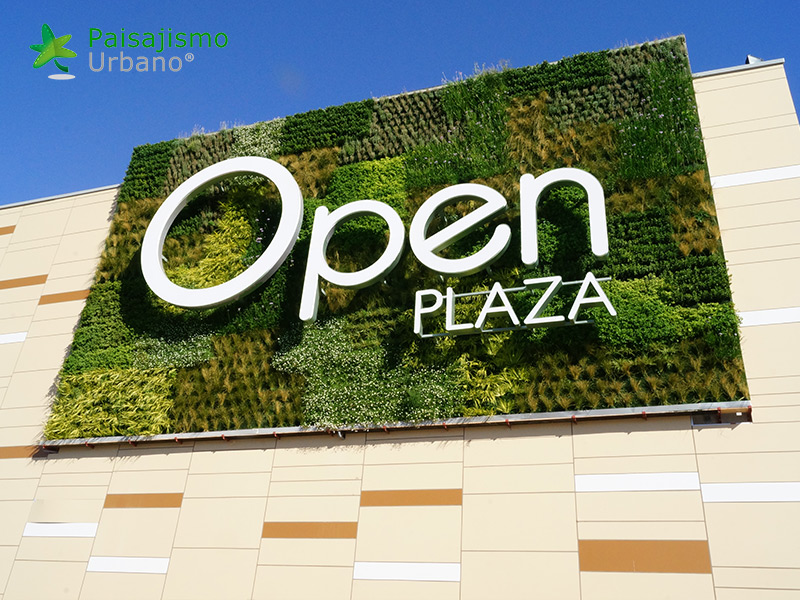
In an era where sustainability and aesthetics increasingly intertwine, vertical garden solutions have emerged as a vibrant addition to both residential and commercial spaces. These gardens not only enhance the visual appeal of a space but also contribute to environmental health by improving air quality and promoting biodiversity. Whether you are a homeowner looking to add a touch of greenery to your living space or a business owner aiming to create an inviting environment, vertical gardens offer a versatile solution.
The Benefits of Vertical Gardens
Vertical gardens, sometimes referred to as living walls, offer a multitude of benefits that make them an attractive option for any space. These benefits include:
- Space Efficiency: Ideal for urban environments where space is at a premium, vertical gardens utilize vertical surfaces, making them perfect for small areas.
- Improved Air Quality: Plants naturally filter air pollutants, enhancing the air quality of indoor and outdoor spaces.
- Thermal Insulation: Living walls help regulate building temperatures, providing natural insulation that can lead to energy savings.
- Aesthetic Appeal: They add a natural, lush look to any space, enhancing its aesthetic value.
- Noise Reduction: The foliage can absorb sound, making environments quieter and more pleasant.
Types of Vertical Gardens
There are various types of vertical garden systems available, catering to different needs and preferences. Understanding these options can help in selecting the most suitable solution for a given space.
Hydroponic Systems
Hydroponic systems are soil-less and use nutrient-rich water to sustain plant growth. These systems are particularly effective in environments where soil-based planting is impractical. Read more about this topic.
Panel Systems
Panel systems consist of pre-vegetated panels that are installed on walls. These systems are modular and can be customized to fit the specific dimensions of the installation area. Learn more in this detailed guide.
Freestanding Walls
For those who prefer a more flexible setup, freestanding walls can be an ideal choice. These structures are not attached to any existing wall and can be moved as needed. Explore further insights here.
Design and Maintenance Considerations
While vertical gardens can dramatically elevate the appearance and functionality of a space, there are several design and maintenance considerations that should be taken into account.
Plant Selection
The choice of plants is crucial to the success of a vertical garden. Considerations should include:
- Light Exposure: Select plants that thrive in the available light conditions, whether full sun, partial shade, or full shade.
- Climate Compatibility: Opt for species that are well-suited to the local climate to ensure longevity and minimal maintenance.
- Growth Rate: Balance fast-growing varieties with slower-growing ones to maintain an attractive appearance over time.
Find additional information here.
Irrigation and Drainage
An effective irrigation system is essential to ensure the health of a vertical garden. Automated systems can help maintain consistent moisture levels, while proper drainage prevents waterlogging. Regular monitoring and adjustments may be necessary to accommodate seasonal changes. Read more about this topic.
Conclusion
Vertical gardens offer a dynamic solution for enhancing the aesthetic and environmental quality of any space. By understanding the various options available and considering key factors such as plant selection and irrigation, one can create a sustainable and visually appealing garden. Whether for residential or commercial use, vertical gardens represent a step forward in integrating nature into our built environments. Learn more in this detailed guide.