
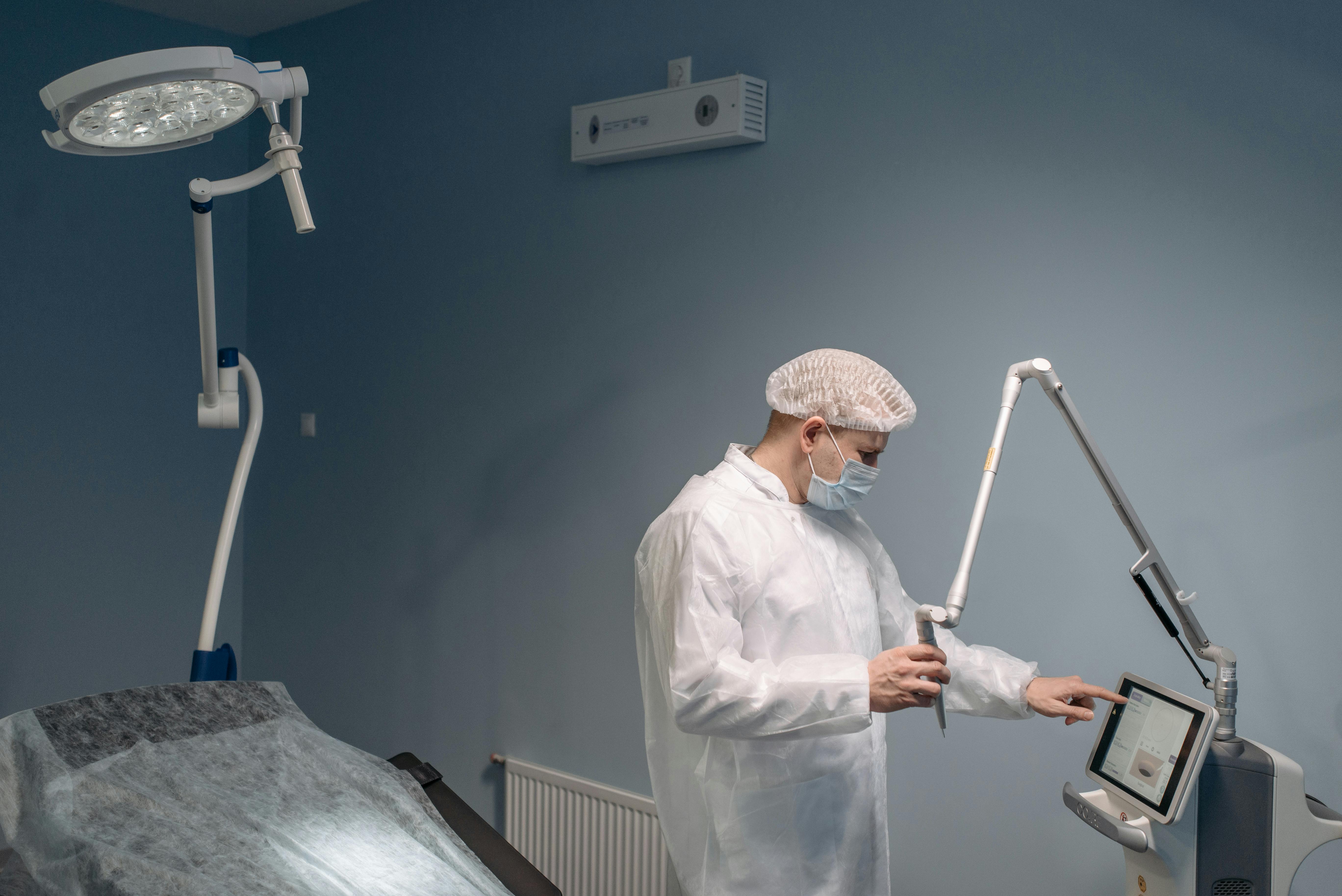
Endoscopy has revolutionized the way medical professionals diagnose and treat conditions within the human body. This minimally invasive technique allows for detailed visualization and intervention without the need for major surgery, significantly reducing patient recovery times and associated healthcare costs. However, the continuous advancement in medical device technology is crucial to overcoming existing limitations and enhancing the overall efficacy of endoscopic procedures. As the demand for more precise, efficient, and patient-friendly devices grows, innovation in this field becomes imperative. This article explores the latest trends and developments in endoscopic medical devices, emphasizing the importance of ongoing research and development.
Trends in Endoscopic Medical Device Innovation
The landscape of endoscopic technology is rapidly evolving, driven by the need for improved diagnostic and therapeutic capabilities. Key trends include:
- Miniaturization of devices to enhance maneuverability and reach.
- Integration of advanced imaging technologies such as high-definition and 3D visualization.
- Development of robotic-assisted endoscopic systems for greater precision.
- Incorporation of artificial intelligence to assist in real-time decision-making.
- Focus on single-use devices to reduce the risk of cross-contamination and infection.
For those interested in a more comprehensive understanding of these trends, explore further insights here.
Challenges and Solutions in Endoscopic Device Innovation
Despite the promising advancements, several challenges persist in the development of new endoscopic technologies. These include:
Technical Limitations
Many endoscopic procedures require devices that can navigate complex anatomical structures with ease. The challenge lies in creating instruments that are both flexible and durable. Innovative material science and engineering are crucial in addressing these limitations.
Regulatory Hurdles
The path from conception to market for medical devices is fraught with regulatory challenges. Ensuring compliance with stringent safety and efficacy standards is essential. A detailed guide on navigating these regulatory landscapes can be found here.
Cost Constraints
The development and implementation of cutting-edge technology often come with high costs. Balancing innovation with cost-effectiveness is a critical challenge that requires strategic planning and investment.
To gain a deeper understanding of how these challenges are being addressed, learn more in this detailed guide.
Future Prospects and Opportunities
Looking ahead, the future of endoscopic medical devices is bright, with numerous opportunities for growth and innovation. Key areas of focus include:
- Enhancing patient comfort and outcomes through ergonomic device designs.
- Leveraging data analytics to personalize treatment plans.
- Expanding the scope of endoscopic procedures to include more complex interventions.
- Developing eco-friendly disposal and recycling solutions for single-use devices.
For a broader perspective on the future of endoscopic innovations, find additional information here.
In conclusion, the field of endoscopic medical devices is on the cusp of significant advancements, driven by rapid technological progress and a growing demand for minimally invasive medical solutions. Continued research and development efforts are essential to overcome existing challenges and capitalize on emerging opportunities, ultimately enhancing the quality and accessibility of healthcare.