
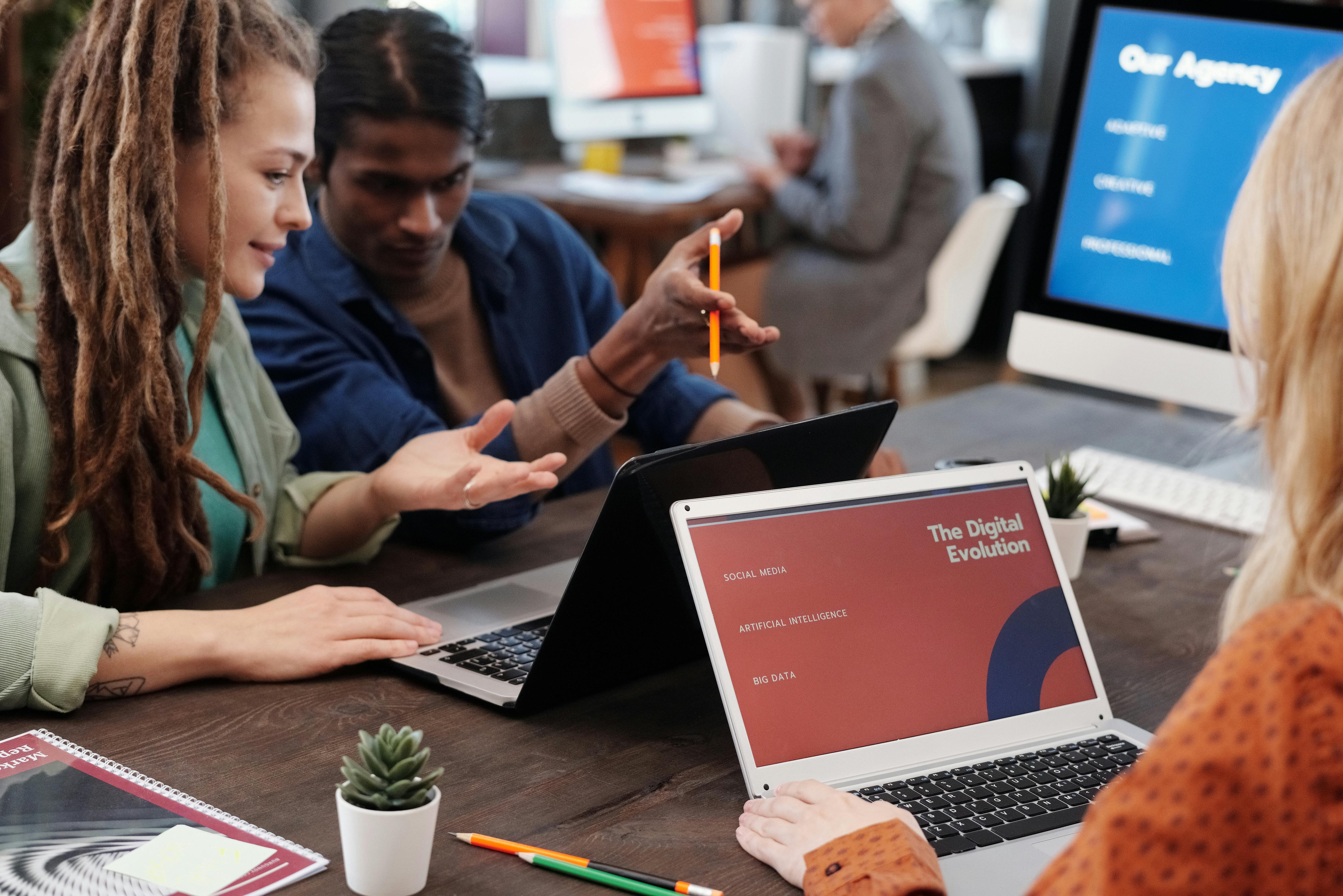
In the rapidly evolving landscape of modern businesses, the role of workplace design has shifted from mere functionality to a strategic asset that can enhance productivity, boost employee satisfaction, and support organizational goals. Innovative design in the workplace not only reflects a company’s brand and culture but also adapts to the dynamic needs of its workforce. This transformation is driven by a nuanced understanding of human behavior, technology integration, and sustainability, making it essential for businesses aiming to stay competitive and relevant in today’s market.
Understanding the Importance of Workplace Design
The importance of workplace design is multifaceted, encompassing various elements that contribute to a holistic work environment. These elements include:
- Ergonomics: Designing furniture and workspaces that minimize discomfort and maximize efficiency.
- Acoustics: Managing sound to reduce noise pollution and improve concentration.
- Lighting: Utilizing natural and artificial lighting to enhance mood and productivity.
- Flexibility: Creating adaptable spaces that can be reconfigured for various tasks and team dynamics.
- Technology Integration: Incorporating digital tools and solutions seamlessly into the workspace.
These components, when strategically implemented, can significantly improve workplace morale and efficiency. For those interested in how these elements can be tailored to specific needs, learn about our tailored solutions.
Innovative Design Trends Shaping Workspaces
As businesses navigate the complexities of the modern work environment, several innovative design trends have emerged. These trends are shaping how spaces are conceptualized and utilized:
Biophilic Design
Biophilic design integrates natural elements into the workplace, such as plants, water features, and natural light, to foster a connection with nature. This approach not only improves air quality and reduces stress but also enhances creativity and well-being. For a comprehensive understanding of how to incorporate these elements, find out more about this approach.
Activity-Based Working (ABW)
ABW is a flexible design strategy that provides employees with a variety of work settings tailored to different tasks, such as collaborative spaces, quiet zones, and social areas. This approach empowers employees to choose environments that best suit their activities, promoting autonomy and satisfaction. Explore advanced guides and tips on implementing ABW effectively.
Sustainable Design Practices
Sustainability is increasingly becoming a core aspect of workplace design, with companies opting for eco-friendly materials, energy-efficient systems, and sustainable practices. This not only reduces the environmental footprint but also resonates with employees and clients who value corporate responsibility. Discover expert strategies here for integrating sustainability into workplace design.
The Impact of Technology on Workplace Design
Technology plays a pivotal role in shaping modern workplaces. The integration of smart technologies can streamline operations, enhance communication, and create more dynamic work environments. Key technological advancements include:
- IoT Devices: Smart sensors and devices that monitor and optimize environmental conditions.
- Virtual Collaboration Tools: Platforms that facilitate remote work and virtual meetings.
- Augmented Reality (AR): Tools that aid in design visualization and space planning.
For businesses seeking to leverage these technologies, learn about our tailored solutions to integrate advanced tech into workplace design.
Conclusion: The Future of Workplace Design
The future of workplace design is poised to be even more dynamic and responsive, with a focus on personalization and adaptability. As businesses continue to evolve, the need for innovative design solutions that cater to diverse workforce needs will become increasingly important. By embracing these trends and technologies, companies can create work environments that not only support productivity but also reflect their values and vision. For those looking to stay ahead in this ever-changing landscape, explore advanced guides and tips to transform workplaces with cutting-edge design strategies.