
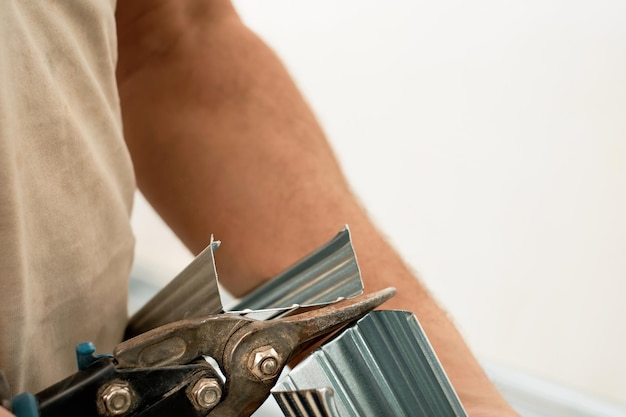
When it comes to enhancing the exterior of a home, siding installation is a pivotal process that requires precision and expertise. Proper installation not only boosts the aesthetic appeal but also contributes significantly to the home’s structural integrity and energy efficiency. This article delves into key tips for achieving seamless siding installation services, ensuring a durable and visually appealing outcome.
Understanding the Basics of Siding Installation
Before diving into the practical tips, it’s crucial to understand what siding installation entails. Siding serves as the protective outer layer of a building, shielding it from external elements while enhancing its visual appeal. The installation process involves a series of steps that include planning, measuring, cutting, and securing the siding material onto the building’s exterior.
Essential Pre-Installation Steps
- Conduct a thorough inspection: Assess the exterior walls for any damage or structural issues that need addressing before installation.
- Choose the right materials: Selecting the appropriate siding material is crucial. Options include vinyl, wood, fiber cement, and more. Each has its own durability and maintenance requirements. Discover expert strategies here.
- Gather necessary tools: Ensure all tools and equipment, such as saws, levels, and safety gear, are available and in good condition.
- Plan for weather conditions: Avoid installation during extreme weather conditions as it can affect the quality and adherence of the siding.
Tips for a Flawless Installation Process
Implementing best practices during the installation process is vital for achieving a smooth finish and long-lasting results. Below are essential tips to consider:
Precision in Measurement and Cutting
- Accurate measurements: Always double-check measurements before cutting the siding to minimize waste and ensure a snug fit.
- Use quality cutting tools: Employ high-quality saws and blades to achieve clean cuts, reducing the chances of chipping or cracking the material.
- Account for expansion: Materials like vinyl expand and contract with temperature changes. Leave adequate space for these fluctuations. Learn about our tailored solutions.
Ensuring Proper Alignment and Fastening
- Use a level: Check alignment regularly using a level to maintain a straight and consistent appearance throughout the installation.
- Secure with appropriate fasteners: Use nails or screws that are suitable for the siding material, ensuring they are driven in straight and do not overtighten.
- Seal joints effectively: Properly seal the joints and seams to prevent moisture infiltration and enhance the insulation properties. Explore advanced guides and tips.
Post-Installation Considerations
After the siding is installed, there are several steps to ensure its longevity and performance:
- Inspect and touch up: Conduct a thorough inspection to identify any areas that may need additional sealing or adjustments.
- Regular maintenance: Establish a maintenance routine that includes cleaning and inspecting the siding periodically to extend its lifespan.
- Address issues promptly: Any signs of damage, such as cracks or loose panels, should be addressed immediately to prevent further deterioration. Find out more about this approach.
Conclusion
Achieving seamless siding installation requires careful planning, precise execution, and diligent maintenance. By adhering to these expert tips, homeowners and professionals alike can ensure a beautiful and enduring finish that enhances both the appearance and functionality of a building’s exterior. For those seeking further guidance or professional assistance, numerous resources and expert advice are available to support every step of the installation process.