
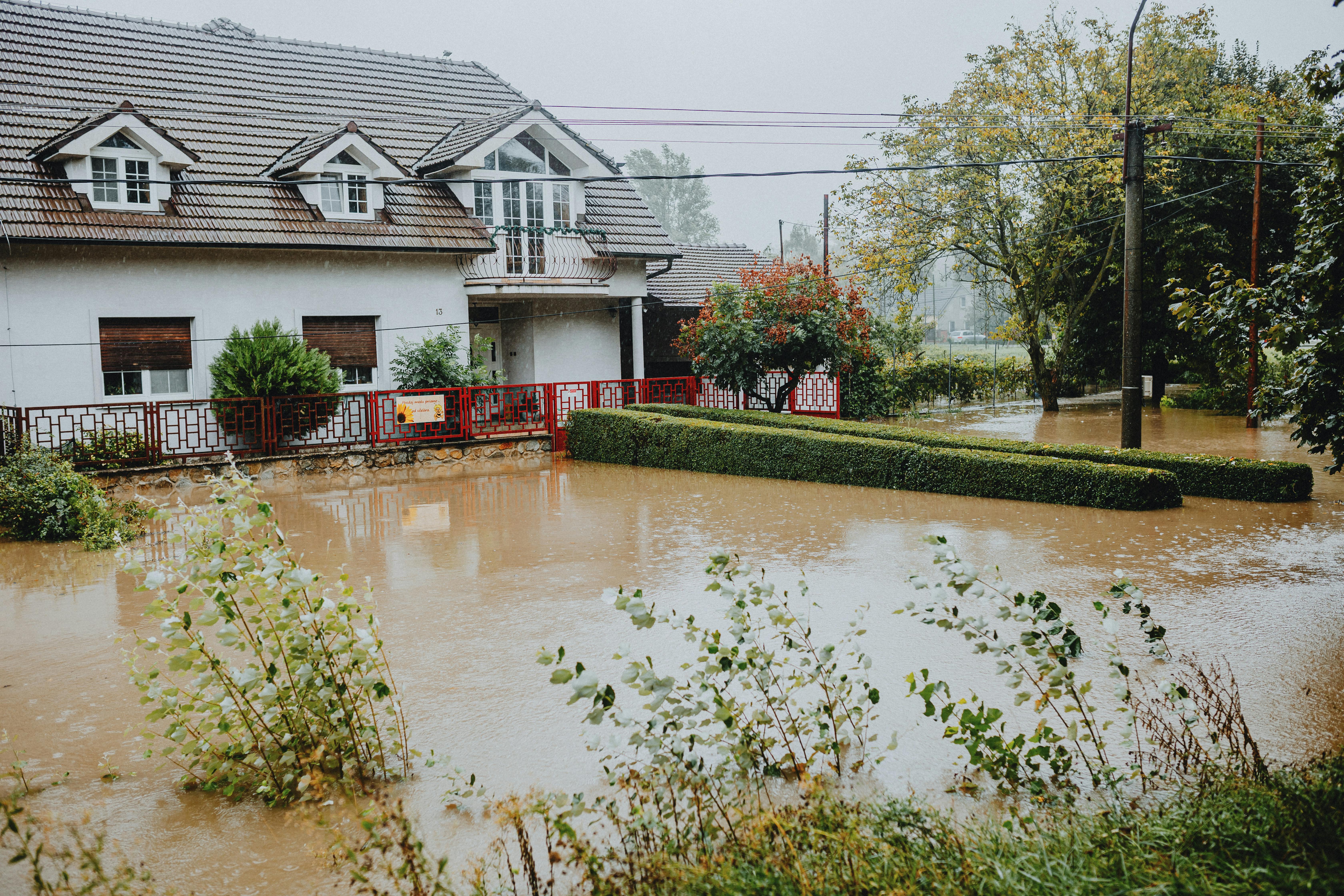
Water damage can be a daunting challenge for property owners, often leading to significant repair costs and potential health risks. Addressing water damage promptly and effectively is crucial to minimizing its impact. Employing the right strategies can not only restore properties to their original condition but also prevent future issues. This article delves into the top strategies for successful water damage restoration, providing insights and techniques that ensure a comprehensive and efficient recovery process.
Understanding the Extent of Damage
Before embarking on any restoration efforts, it is essential to assess the extent of water damage. This involves a thorough inspection of the affected areas to identify the source of water intrusion and the severity of the damage. Accurate assessment allows for targeted and effective restoration strategies. Discover expert strategies here for conducting comprehensive damage assessments.
Identifying Sources and Categories
Water damage can originate from various sources, each requiring a unique approach:
- Clean Water: Typically from burst pipes or rainwater. This type is less hazardous but requires prompt attention to prevent further complications.
- Grey Water: Contains some contaminants, often from appliances or plumbing fixtures. Quick action is needed to mitigate health risks.
- Black Water: Highly contaminated water from sewage or floodwaters. Professional intervention is essential due to health hazards.
Effective Water Extraction and Drying Techniques
Once the assessment is complete, the next critical step is water extraction and drying. Employing advanced techniques ensures thorough removal of excess water and moisture, which is crucial to preventing mold growth and structural damage. Learn about our tailored solutions for efficient water extraction.
Advanced Equipment Utilization
- Pumps and Vacuums: High-capacity pumps and industrial-grade vacuums are essential for removing standing water quickly.
- Dehumidifiers and Air Movers: These tools are vital in reducing moisture levels and circulating air to expedite the drying process.
Preventing Mold Growth
Mold can develop within 24-48 hours of water exposure, making it imperative to implement preventive measures during restoration. Techniques to inhibit mold growth include:
- Moisture Control: Maintaining low humidity levels and ensuring thorough drying of all surfaces prevents mold spores from thriving.
- Use of Antimicrobial Treatments: Applying specialized treatments can inhibit mold growth on affected surfaces.
Explore advanced guides and tips on mold prevention during restoration.
Restoring Damaged Structures and Contents
Restoration goes beyond drying and cleaning; it involves repairing and restoring damaged structures and contents. This process includes:
- Structural Repairs: Addressing weakened walls, floors, and ceilings to ensure the integrity of the building.
- Content Restoration: Cleaning and restoring personal belongings and furnishings to their pre-damage condition.
For more comprehensive guidelines on structural and content restoration, find out more about this approach.
Implementing Long-Term Prevention Measures
To safeguard against future water damage, it’s important to adopt preventive strategies. These include:
- Regular Maintenance: Routine inspections and maintenance of plumbing systems, roofs, and gutters can prevent leaks and water buildup.
- Installation of Water Detectors: These devices provide early warnings of leaks or flooding, allowing for swift action.
Successful water damage restoration requires a strategic approach, combining immediate action with long-term prevention. By understanding the nuances of water damage and employing effective restoration techniques, property owners can ensure a resilient recovery. For more detailed information and professional guidance, explore advanced guides and tips to safeguard properties against future water-related challenges.

