
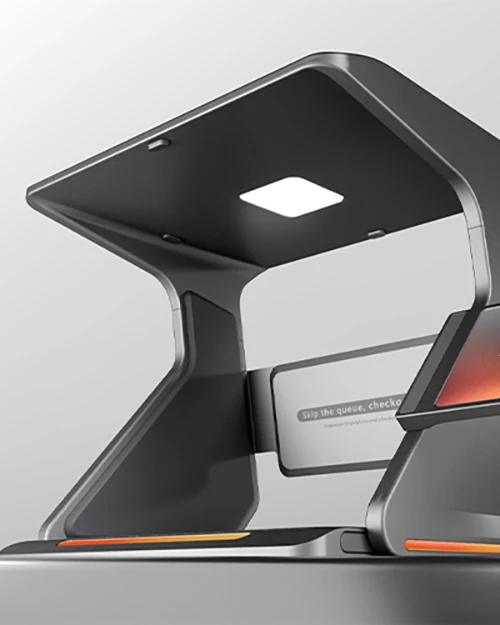
In the competitive world of product development, the role of industrial design is both pivotal and transformative. Industrial design is not just about aesthetics; it is the intersection of form, function, and user experience. This discipline plays a crucial role in bridging the gap between innovative ideas and market-ready products. By focusing on the user’s needs and the product’s functionality, industrial design ensures that products are not only visually appealing but also practical and user-friendly. As industries continue to evolve, the importance of industrial products design becomes increasingly significant in delivering products that meet the complex demands of modern consumers.
The Importance of Industrial Design
Industrial design is integral to the product development process. It involves a creative and strategic process that combines art, science, and technology to create innovative solutions and optimize the function, value, and appearance of products. Here are key aspects highlighting its importance:
- User-Centric Approach: Industrial design prioritizes the user’s experience, ensuring products are intuitive and meet consumer needs effectively.
- Brand Differentiation: Through unique and innovative designs, products stand out in the marketplace, enhancing brand recognition.
- Sustainability: Modern industrial design incorporates sustainable practices, considering the environmental impact of materials and production methods.
- Cost Efficiency: By optimizing the design process, manufacturers can reduce material costs and improve production efficiency.
Stages of Industrial Design in Product Development
Conceptualization
The first stage involves conceptualizing ideas that address market needs. Designers work closely with engineers and marketing teams to brainstorm innovative solutions. This stage sets the foundation for the industrial product design services that follow, ensuring all aspects align with user expectations and business goals.
Design Development
Once a concept is chosen, the design development phase begins. This stage involves detailed sketching, modeling, and prototyping. The objective is to refine the product?s aesthetics and functionality, ensuring that it meets all design specifications and user requirements.
Testing and Evaluation
Prototypes undergo rigorous testing to evaluate their performance and durability. Feedback is collected to make necessary adjustments. This iterative process ensures that the final product is both reliable and user-friendly, aligning with the goals of industrial design product development.
Finalization and Production
After successful testing, the design is finalized, and production begins. This stage involves collaborating with manufacturing teams to ensure that the product can be produced efficiently and meets quality standards. Effective industrial product development is crucial to ensure that the design translates seamlessly into a finished product.
The Impact of Industrial Design on Market Success
The influence of industrial design extends beyond the creation of a product. It significantly impacts a product’s success in the market. A well-designed product can:
- Enhance User Satisfaction: Products that are easy to use and meet consumer needs tend to increase customer satisfaction and loyalty.
- Reduce Time-to-Market: Efficient design processes can streamline production, reducing the time required to bring a product to market.
- Increase Market Share: Unique and innovative designs can capture consumer attention, increasing a brand’s market share.
Future Trends in Industrial Design
As technology and consumer preferences evolve, industrial design continues to adapt and innovate. Emerging trends include:
- Integration of AI and IoT: Designers are incorporating smart technologies into products, enhancing functionality and user interaction.
- Focus on Sustainability: Sustainable design practices are becoming more prevalent, with a focus on eco-friendly materials and processes.
- Customization: Advances in manufacturing technologies allow for greater customization, meeting the unique needs of individual consumers.
In conclusion, industrial design is a cornerstone of successful product development. It not only shapes the aesthetic and functional aspects of a product but also plays a vital role in ensuring that products are aligned with consumer needs and market trends. As industries continue to innovate, the role of industrial design will remain essential in driving product success and brand differentiation.

