
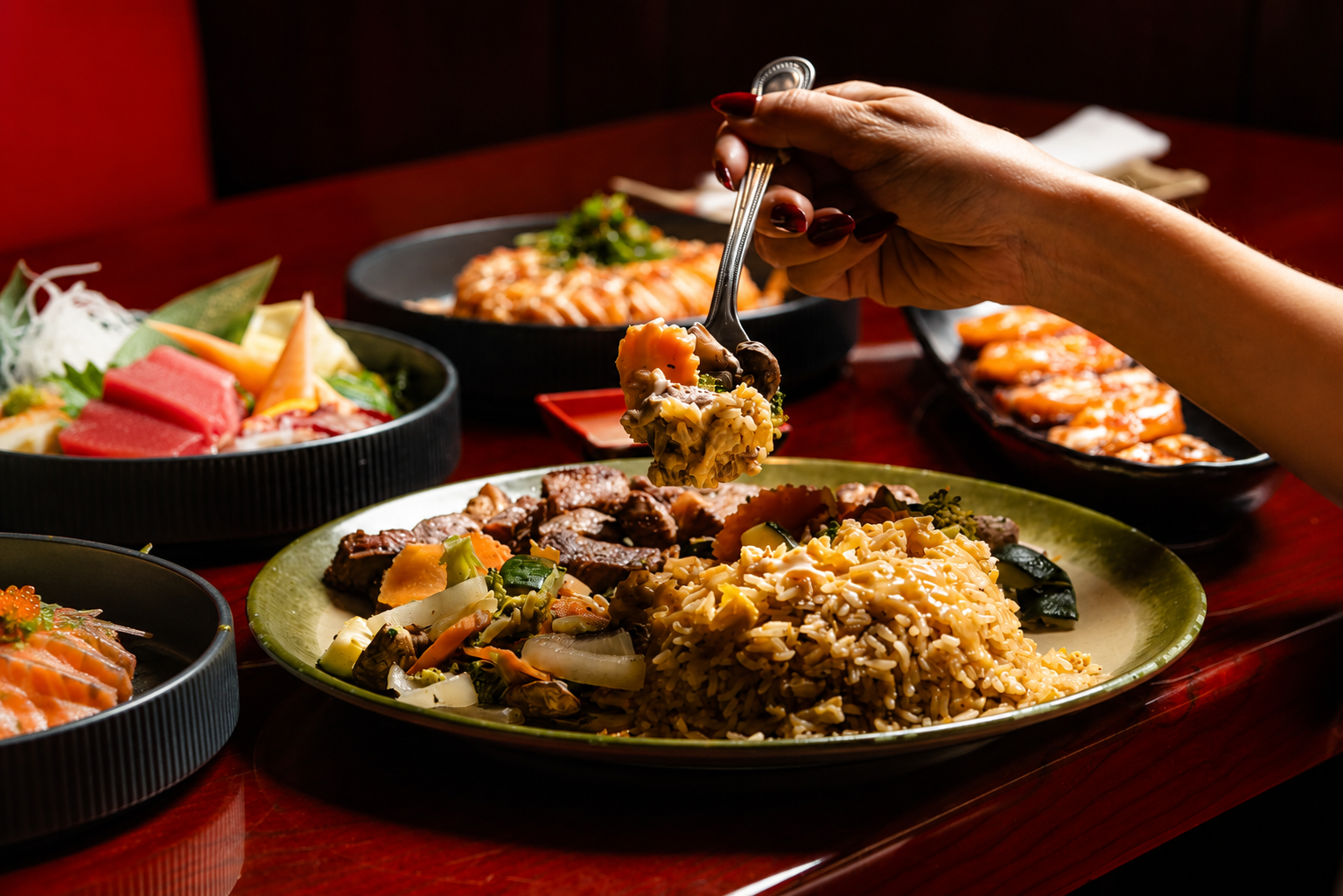
Japanese cuisine is a harmonious blend of flavor, tradition, and presentation, characterized by its emphasis on seasonal ingredients and aesthetic appeal. The art of Japanese cooking extends beyond the mere act of eating; it is a culinary journey that celebrates the simplicity and purity of flavors. This guide delves into the intricacies of Japanese food and dining, offering insights into its unique elements and how one can enjoy this exquisite cuisine.
The Essence of Japanese Cuisine
The foundation of japanese cuisine lies in its simplicity and balance. Here are some key elements that define it:
- Rice: A staple in every meal, rice is not just a side dish but a central element of Japanese dining.
- Seasonal Ingredients: Japanese dishes are crafted with ingredients that reflect the changing seasons, ensuring freshness and optimal flavor.
- Umami: Known as the ‘fifth taste,’ umami is a savory flavor that is a defining characteristic of many Japanese dishes.
- Presentation: The visual appeal of the food is as important as its taste, with dishes often resembling works of art.
Popular Japanese Dishes
Sushi and Sashimi
Sushi and sashimi are perhaps the most globally recognized Japanese foods. Sushi involves vinegared rice combined with various ingredients, such as seafood and vegetables, while sashimi consists of fresh, thinly sliced raw fish served without rice. Both dishes exemplify the art of balance and precision in Japanese cooking.
Ramen
Japanese food wouldn’t be complete without mentioning ramen. This beloved noodle soup comes in countless variations, each with its own regional twist. The key components include a rich broth, wheat noodles, and toppings like pork, seaweed, and green onions.
Tempura
Tempura involves lightly battered and deep-fried seafood or vegetables. The delicate batter allows the natural flavors of the ingredients to shine, making it a favorite appetizer or main course in many Japanese meals.
Dining Etiquette in Japanese Restaurants
Understanding dining etiquette is crucial when visiting a japanese restaurant. Here are some tips to enhance the dining experience:
- Chopstick Etiquette: Avoid sticking chopsticks upright in a bowl of rice, as it resembles a funeral ritual. Place them on the provided rest when not in use.
- Slurping: It is considered polite and a sign of enjoyment to slurp noodles, especially ramen, in Japan.
- Sharing Dishes: Use the opposite end of chopsticks to take food from shared dishes to maintain cleanliness.
- Expressing Gratitude: Saying “Itadakimasu” before eating and “Gochisosama deshita” after finishing a meal shows appreciation for the food.
The Cultural Significance of Japanese Dining
Japanese dining is deeply rooted in cultural traditions. Meals are not just about sustenance but are a means of fostering relationships and celebrating life. The meticulous preparation and thoughtful presentation of dishes reflect a deep respect for nature and food.
Japanese cuisine offers a unique culinary experience that tantalizes the taste buds while also providing a glimpse into the rich cultural heritage of Japan. Whether enjoying sushi at a high-end restaurant or savoring a bowl of ramen at a local eatery, each dish tells a story of tradition and innovation.
In conclusion, exploring the diverse and flavorful world of Japanese food and dining is an enriching journey that promises delightful surprises and profound appreciation for one of the world’s most esteemed culinary traditions.

