
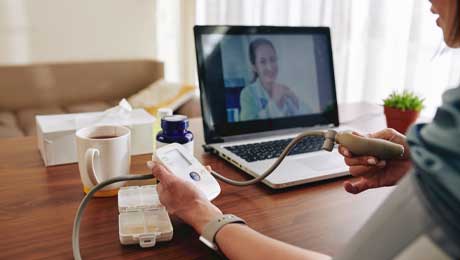
Mental health care has evolved significantly over the years, and one of the most notable advancements is the advent of telepsychiatry. This innovative approach to mental health treatment allows patients to receive psychiatric care remotely via digital communication tools. Telepsychiatry offers numerous benefits, including increased accessibility, convenience, and privacy. As the demand for mental health services continues to rise, understanding how telepsychiatry works and its potential benefits is crucial for both patients and mental health professionals.
Understanding Telepsychiatry
Telepsychiatry is a subset of telemedicine that involves the use of telecommunications technology to provide psychiatric assessment and care. It can include a range of services such as therapy sessions, medication management, and patient education, all conducted via video conferencing, phone calls, or messaging platforms.
Types of Telepsychiatry Services
- Live Video Conferencing: Real-time video sessions between a psychiatrist and a patient.
- Asynchronous Telepsychiatry: Exchange of recorded health information between patients and psychiatrists.
- Remote Patient Monitoring: Continuous monitoring of a patient’s mental health through digital tools.
- Mobile Health (mHealth): Mobile applications designed for mental health support and management.
Benefits of Telepsychiatry
Telepsychiatry offers several advantages that make it an appealing option for mental health care:
- Accessibility: It provides access to mental health services for individuals in remote or underserved areas, reducing geographical barriers.
- Convenience: Patients can receive care from the comfort of their own homes, eliminating the need for travel and reducing time constraints.
- Privacy: Telepsychiatry allows for a more private setting for those concerned about stigma associated with visiting mental health facilities.
- Flexibility: It offers flexible scheduling options, making it easier for patients to integrate sessions into their daily lives.
For more insights into how telepsychiatry can benefit you, read more about this topic.
Challenges and Considerations
While telepsychiatry presents numerous advantages, there are also challenges and considerations that must be addressed:
- Technology Limitations: Not all patients have access to reliable internet or the necessary devices to participate in telepsychiatry sessions.
- Licensing and Regulations: Providers must comply with varying state and national regulations concerning telehealth services.
- Data Security: Ensuring the confidentiality and security of patient information is paramount in digital communications.
To explore further insights on overcoming these challenges, learn more in this detailed guide.
Implementing Telepsychiatry
Steps for Patients
- Research Providers: Look for licensed professionals who offer telepsychiatry services.
- Prepare for Sessions: Ensure you have a stable internet connection and a private space for your sessions.
- Understand Your Needs: Clearly communicate your mental health needs and goals with your provider.
Steps for Providers
- Ensure Compliance: Familiarize yourself with the legal and ethical guidelines for telepsychiatry.
- Invest in Technology: Use reliable and secure platforms to conduct telepsychiatry sessions.
- Engage Patients: Encourage active participation and provide clear communication to enhance patient outcomes.
For additional information on how to implement telepsychiatry effectively, explore further insights here.
The Future of Telepsychiatry
The future of telepsychiatry looks promising with technological advancements continuously enhancing the quality and reach of mental health services. As more individuals become comfortable with digital communication tools, telepsychiatry is poised to become an integral part of comprehensive mental health care strategies.
To stay informed about the latest developments in telepsychiatry, find additional information here.
In conclusion, telepsychiatry is transforming the landscape of mental health care by providing accessible, convenient, and private options for patients worldwide. By understanding its benefits and challenges, both patients and providers can better navigate this innovative approach to mental health treatment.

