
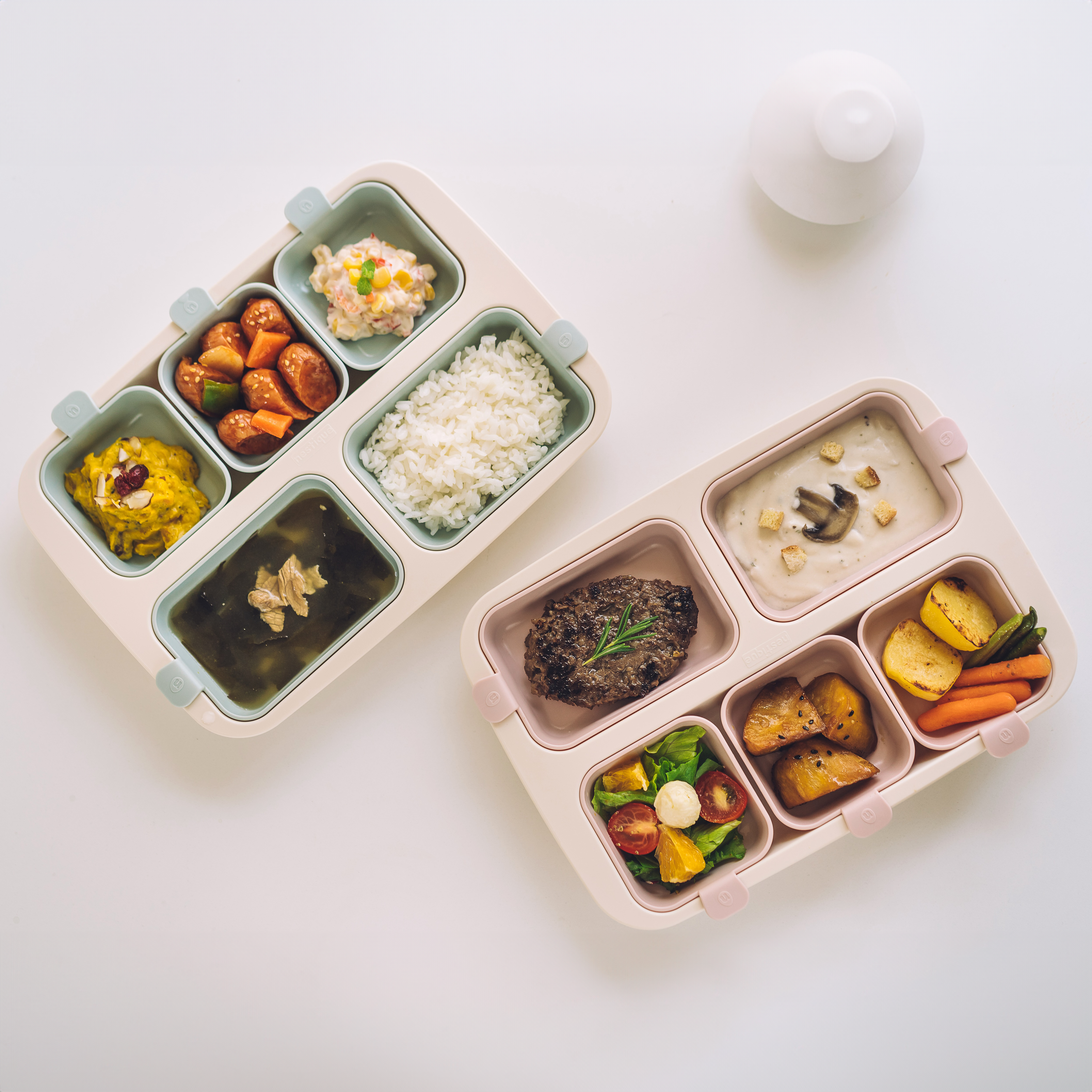
As more parents become conscious of the environmental and health impacts of their choices, the demand for eco-friendly baby products has surged. One area that has seen significant innovation is baby utensils. These tools are essential for a child’s development and mealtime experience, making it crucial to select items that are safe and sustainable. The aim is to provide non-toxic dining options that protect young ones from harmful chemicals while also minimizing environmental impact. This article delves into the best eco-friendly baby utensils available, offering insights into materials, designs, and the benefits they bring.
Understanding Non-Toxic Materials
When choosing baby utensils, understanding the materials is paramount. Non-toxic options ensure that no harmful chemicals are transferred to food during mealtime. Common non-toxic materials include:
- Bamboo: A sustainable resource that is naturally antibacterial and biodegradable.
- Silicone: Free from BPA, PVC, and phthalates, silicone is durable and safe.
- Stainless Steel: Known for its longevity and resistance to bacteria, it’s a great choice for spoons and forks.
Read more about this topic to understand the importance of selecting the right materials for baby utensils.
Design Features for Eco-Friendly Baby Utensils
Beyond materials, the design of baby utensils plays a crucial role in ensuring safety and ease of use. Here are some key design features to consider:
- Ergonomic Design: Utensils should be easy for little hands to grip, promoting independence.
- Rounded Edges: To prevent harm, utensils should have smooth, rounded edges.
- Non-Slip Handles: Ensures that utensils remain firmly in hand, reducing spills and accidents.
Explore further insights here on how design impacts the usability and safety of baby utensils.
Benefits of Eco-Friendly Baby Utensils
Choosing eco-friendly utensils for your baby’s dining needs offers several benefits:
- Healthier Eating: By avoiding toxic materials, you ensure that your child is not exposed to harmful chemicals.
- Environmental Impact: Eco-friendly utensils reduce waste and utilize sustainable resources.
- Durability: High-quality materials ensure that utensils last longer, providing value for money.
Find additional information here to learn more about the benefits of switching to eco-friendly baby utensils.
Making the Switch: Tips for Parents
Transitioning to eco-friendly baby utensils can be seamless with a few practical tips:
- Research: Before purchasing, thoroughly research product specifications and customer feedback.
- Start Gradually: Begin by replacing one or two items and gradually switch over as your child adapts.
- Educate: Teach older children the importance of using eco-friendly products to instill sustainable habits early on.
Learn more in this detailed guide about making a smooth transition to eco-friendly utensils for your child?s dining needs.
Conclusion
Incorporating eco-friendly baby utensils into your child?s dining routine is a step towards a healthier, more sustainable lifestyle. By prioritizing non-toxic materials, thoughtful design, and environmental impact, parents can make informed decisions that benefit both their children and the planet. As awareness continues to grow, so too will the options available, making it easier than ever to find utensils that align with these values. For those interested in diving deeper into this subject, explore further insights here.