
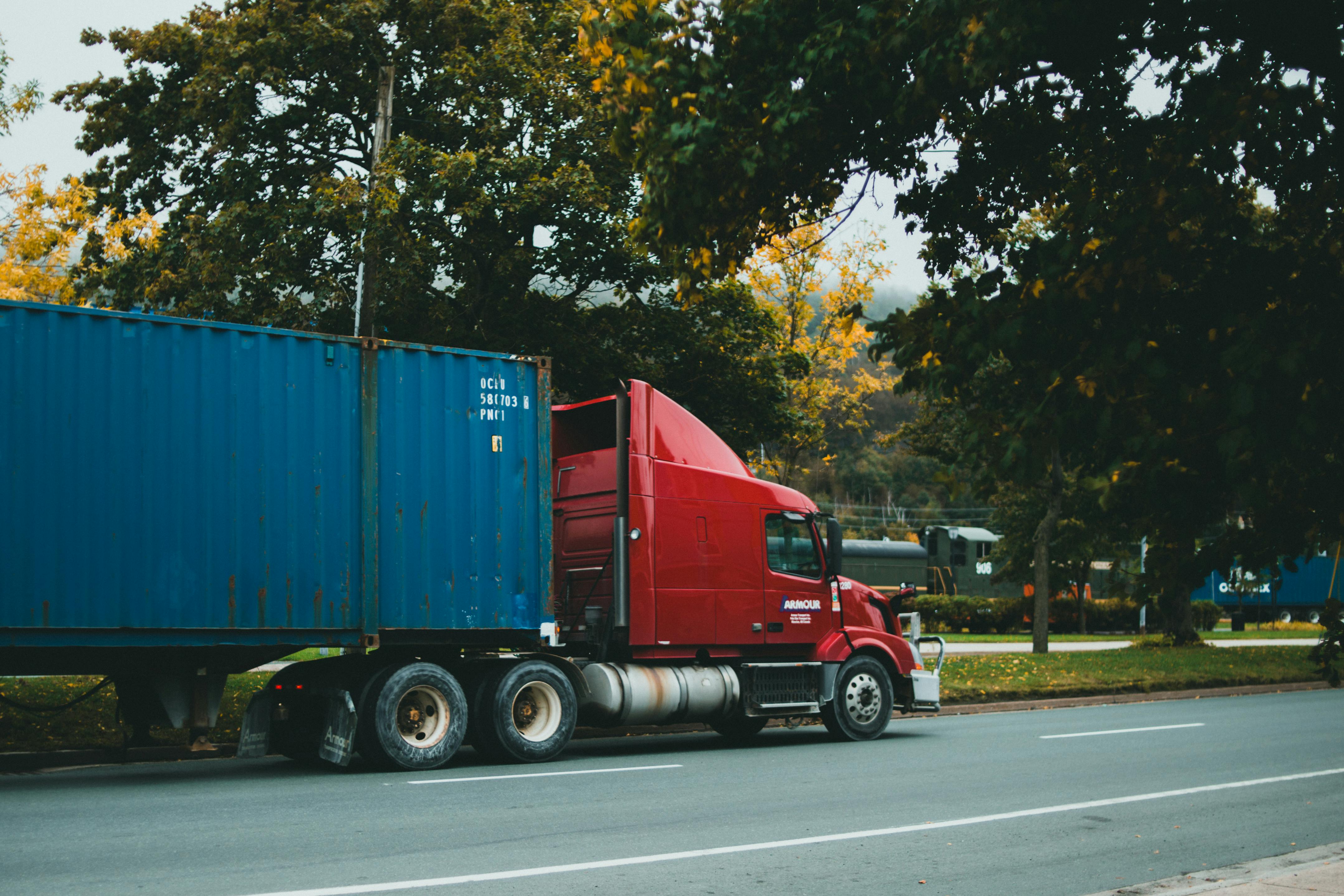
Becoming a freight broker in California can be a lucrative endeavor, but it involves a comprehensive process to obtain the necessary license. Given the intricacies of logistics and transportation regulations, understanding each step in the licensing process is crucial. This article explores the essential aspects of navigating the freight broker license in California, ensuring a smooth journey from application to operation.
Understanding the Role of a Freight Broker
Freight brokers play a pivotal role in the transportation industry by connecting shippers with carriers. They facilitate the efficient movement of goods and ensure that both parties meet their logistical needs. The role requires a deep understanding of logistics, excellent communication skills, and a keen eye for negotiation.
Key Responsibilities
- Negotiating freight rates between shippers and carriers.
- Coordinating shipments and tracking logistics.
- Ensuring compliance with federal and state transportation regulations.
- Managing relationships with clients and carriers.
Steps to Obtain a Freight Broker License in California
Navigating the licensing process effectively requires attention to detail and adherence to regulatory requirements. Here is a step-by-step guide to obtaining a freight broker license in California:
1. Understand the Prerequisites
Before applying, ensure compliance with the following prerequisites:
- Age requirement: Must be at least 18 years old.
- Background check: A clean criminal record is often necessary.
- Financial responsibility: Evidence of a stable financial background may be required.
2. Secure a USDOT Number
A USDOT number is mandatory for freight brokers operating across state lines. It is issued by the Federal Motor Carrier Safety Administration (FMCSA). More information can be found here.
3. Obtain Your Broker Authority
The next step involves applying for broker authority through the FMCSA. This process includes:
- Completing the Unified Registration System (URS) application.
- Paying a one-time application fee.
- Providing proof of insurance and a surety bond.
Explore advanced guides and tips on this process here.
4. Acquire a Surety Bond
Freight brokers must secure a surety bond or trust fund agreement. This serves as a form of financial protection for clients, ensuring compensation in cases of broker default. Find out more about this approach here.
5. Develop a Business Plan
Creating a robust business plan is essential for success. It should include:
- Market analysis and strategy.
- Financial projections and budgeting.
- Marketing and sales strategies.
Learn about tailored solutions to streamline your business planning here.
Challenges and Considerations
Embarking on a career as a freight broker comes with its set of challenges. Staying informed about industry trends and maintaining compliance with ever-evolving regulations is crucial. Additionally, building a reliable network of shippers and carriers can take time and effort.
Key Challenges
- Adapting to regulatory changes.
- Managing market competition.
- Ensuring timely communication and logistics coordination.
Discover expert strategies to navigate these challenges here.
Conclusion
Obtaining a freight broker license in California requires diligence, a thorough understanding of the necessary steps, and a commitment to continuous learning. By adhering to regulatory requirements and developing a comprehensive business plan, aspiring freight brokers can pave the way for a successful career. For further insights and expert guidance, explore advanced guides and tips here.

