
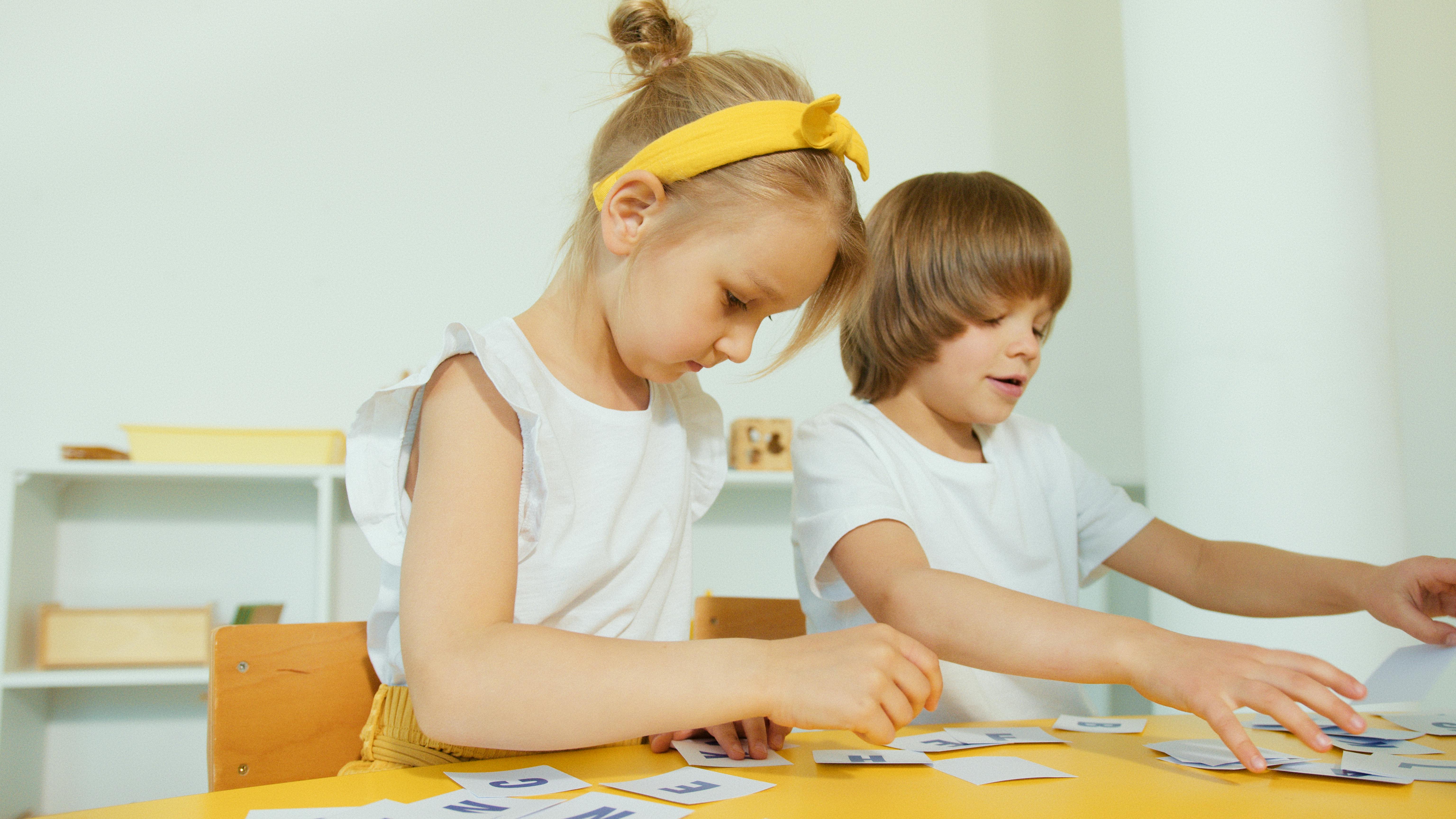
The transition from elementary education to high school is a critical period in a child’s educational journey, and middle school plays a pivotal role in this evolution. The Montessori approach to middle school education offers a unique and effective method to prepare students for the future. By fostering a learning environment that emphasizes independence, critical thinking, and self-directed learning, Montessori middle schools equip students with essential life skills. This approach not only nurtures academic growth but also personal development, laying a solid foundation for future success.
The Montessori Philosophy in Middle School
Montessori education is renowned for its student-centered approach, emphasizing hands-on learning and collaborative play. In middle school, this philosophy is adapted to suit the developmental needs of adolescents, focusing on nurturing their growing desire for intellectual independence and social interaction.
Core Principles
- Self-directed Learning: Students are encouraged to take charge of their own learning, developing skills in setting goals and managing time effectively. Read more about this topic.
- Collaborative Environment: Group work and community projects foster teamwork and social skills.
- Interdisciplinary Curriculum: Subjects are integrated to show the interconnectedness of knowledge, enhancing critical thinking.
- Respect for the Individual: Each student’s unique talents and interests are recognized and nurtured.
Benefits of Montessori Education for Middle School Students
Montessori education provides numerous advantages to middle school students, preparing them for both academic and personal challenges ahead.
Academic Preparedness
- Enhanced Critical Thinking: Students learn to analyze and evaluate information critically, a skill essential for high school and beyond. Learn more in this detailed guide.
- Strong Academic Foundations: The interdisciplinary approach ensures that students gain a comprehensive understanding of various subjects.
- Independent Learning Skills: Students are equipped with the ability to learn independently, fostering lifelong learning habits.
Personal Development
- Confidence and Self-esteem: The supportive environment helps students build confidence in their abilities.
- Social Skills: Interaction in a collaborative setting enhances communication and interpersonal skills.
- Emotional Intelligence: Emphasis on emotional development helps students navigate social dynamics effectively. Explore further insights here.
Preparing for the Future
The holistic approach of Montessori education in middle school not only prepares students for the academic rigors of high school but also equips them with crucial life skills. As they progress through their educational journey, they benefit from the ability to think critically, work collaboratively, and approach challenges with confidence.
Long-term Impact
- Adaptability: Students are better equipped to adapt to new environments and challenges.
- Lifelong Learning: The skills gained in a Montessori middle school foster a love for learning that extends beyond formal education. Find additional information here.
- Leadership Skills: Opportunities for leadership and responsibility prepare students for future roles in their communities.
By embracing the Montessori method, middle school education can play a transformative role in preparing students for the future. This approach not only addresses the academic needs of adolescents but also focuses on their personal growth, ensuring they are well-equipped for high school, college, and life beyond the classroom. The Montessori philosophy, with its emphasis on independence, critical thinking, and holistic development, remains a powerful tool in shaping the leaders of tomorrow.

