
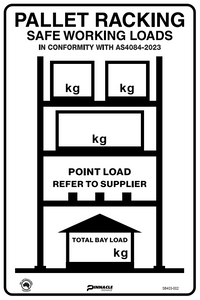
In the ever-evolving landscape of workplace safety, ensuring compliance with mandatory safety signage is a critical aspect that businesses cannot afford to overlook. Safety signs play a pivotal role in communicating essential information to employees, visitors, and contractors, thereby preventing accidents and ensuring a safe environment. This article delves into the nuances of mandatory safety signage and offers insights on how compliance can be seamlessly achieved, providing peace of mind and a safer workplace.
The Importance of Safety Signage
Safety signage serves as a visual reminder of the potential hazards present in a workplace environment. They are not just a legal requirement but an ethical one, aimed at safeguarding lives and promoting well-being. The significance of these signs can be categorized into several key areas:
- Hazard Identification: Clearly communicates potential dangers.
- Regulatory Compliance: Ensures that businesses adhere to legal standards.
- Accident Prevention: Provides immediate information that can prevent accidents.
- Emergency Information: Guides individuals on what to do in emergency situations.
Types of Mandatory Safety Signage
The variety of safety signs available can be overwhelming, but understanding each type is crucial for effective implementation:
- Warning Signs: Highlight potential hazards or unsafe conditions.
- Mandatory Signs: Specify actions that must be taken, such as “Wear Safety Goggles.”
- Emergency Information Signs: Provide directions to emergency facilities, such as exits and first aid kits.
- Prohibition Signs: Indicate actions that are not permitted, like “No Smoking.”
Key Considerations for Compliance
Ensuring compliance with safety signage requirements involves several key steps. These steps not only guarantee adherence to legal obligations but also enhance the overall safety culture within an organization.
Site Assessment
A thorough site assessment is the first step in identifying the specific signage needs of a workplace. This involves evaluating the workplace environment, identifying potential hazards, and determining the type and placement of signs required. Explore advanced guides and tips on how to conduct an effective site assessment.
Regulatory Guidelines
Understanding and adhering to regulatory guidelines is crucial. Each industry may have specific requirements, and staying informed about these can be achieved through continuous education and consultation with experts. Find out more about this approach to ensure that signage complies with the latest standards and regulations.
Quality and Durability
The quality of safety signs affects their durability and visibility. Investing in high-quality materials ensures that signs withstand environmental factors and remain legible over time. Learn about our tailored solutions to meet these quality standards.
Implementing and Maintaining Safety Signage
Implementation is not the final step; regular maintenance and updates are essential to keep safety signage effective.
- Regular Inspections: Conduct routine inspections to ensure all signs are in good condition and visible.
- Employee Training: Provide training sessions to educate employees on the meaning and importance of safety signs.
- Updating Signage: Replace or update signs as needed, especially when there are changes in workplace conditions or regulations.
For businesses looking to enhance their safety signage strategies, resources and expert advice can be invaluable. Discover expert strategies here for effective safety signage implementation and maintenance.
Conclusion
In conclusion, mandatory safety signage is a fundamental component of workplace safety and compliance. By understanding the types of signs, adhering to regulatory requirements, and implementing effective maintenance practices, businesses can create a safer environment for everyone. For further guidance and resources on achieving compliance with ease, visit Pinnacle Signage for comprehensive solutions and expert advice.

