
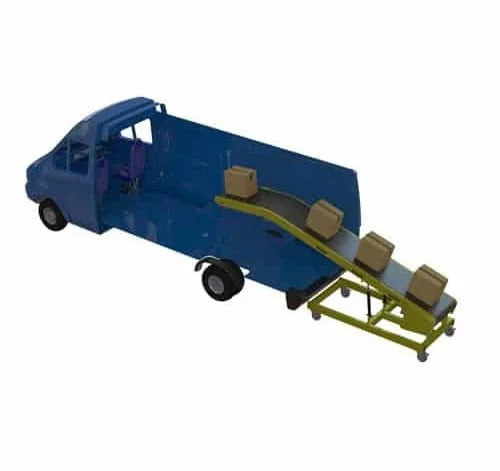
In the world of industrial operations, conveyor belts play a crucial role in ensuring the smooth and efficient movement of materials across various stages of production. These systems are integral to industries ranging from manufacturing to logistics, contributing to operational efficiency and cost-effectiveness. Understanding the types, applications, and considerations for selecting the right conveyor belt system is vital for optimizing industrial processes.
Types of Industrial Conveyor Belts
Industrial conveyor belts come in various forms, each designed to meet specific needs and operational requirements. The choice of a conveyor belt depends largely on the nature of the materials being transported and the industrial setting. Here are some common types:
- Flat Belt Conveyors: These are the most widely used type, ideal for transporting items over short distances in a straight line.
- Modular Belt Conveyors: Suitable for complex systems with curves and turns, offering flexibility and ease of maintenance.
- Cleated Belt Conveyors: Equipped with vertical cleats to prevent material from sliding, perfect for incline and decline applications.
- Roller Bed Conveyors: Designed for heavy-duty applications, these use rollers to support the belt and materials.
Key Considerations in Conveyor Belt Selection
Choosing the right conveyor belt is pivotal for operational success and efficiency. Several factors should be considered to ensure the belt meets the specific needs of the operation:
- Material Type: Understanding the physical properties of the material to be transported is essential. This includes weight, size, and susceptibility to damage.
- Environment: The working environment, including temperature, humidity, and exposure to chemicals, impacts the choice of belt material.
- Load Capacity: The belt must support the weight of the materials without compromising performance or safety.
- Speed and Efficiency: Consider the speed at which materials need to be moved to ensure the conveyor system meets productivity targets.
Applications of Conveyor Belts in Industry
Manufacturing
In manufacturing, conveyor belts are vital for transporting raw materials, components, and finished products. They ensure a streamlined production process, reducing manual handling and increasing efficiency. Discover expert strategies here to optimize conveyor systems in manufacturing settings.
Logistics and Distribution
Conveyor belts in logistics help in efficiently sorting and moving packages through distribution centers. They facilitate quick and accurate delivery, enhancing customer satisfaction. Explore advanced guides and tips to improve logistics operations with conveyor technology.
Mining and Heavy Industry
The mining industry relies heavily on conveyor belts to transport bulk materials over long distances. These systems are designed to withstand harsh conditions and handle heavy loads. Learn about our tailored solutions for mining applications.
Maintenance and Safety Considerations
Regular maintenance of conveyor belts is crucial to prevent downtime and ensure safety. Implementing a robust maintenance schedule can extend the life of the belt and improve operational efficiency. Key maintenance practices include:
- Regular Inspections: Conducting routine checks for wear and tear, alignment, and tension.
- Lubrication: Ensuring moving parts are well-lubricated to reduce friction and prevent overheating.
- Safety Protocols: Training staff on safety procedures and emergency shutdown operations.
For comprehensive safety and maintenance guidelines, find out more about this approach.
Future Trends in Conveyor Belt Technology
Advancements in technology continue to shape the conveyor belt industry. Automation, IoT integration, and the use of smart materials are enhancing the efficiency and functionality of conveyor systems. These innovations are set to revolutionize how industries operate, offering new levels of productivity and safety.
Staying informed about these trends is crucial for businesses looking to maintain a competitive edge. For insights into the future of conveyor belt technology, discover expert strategies here.