
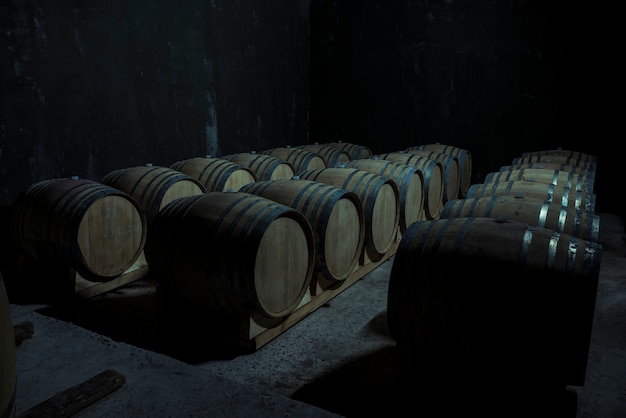
Investing in whisky casks is an intriguing and potentially lucrative venture that has garnered attention in recent years. Unlike traditional investments such as stocks and bonds, the world of whisky offers a tangible asset that matures over time and can yield significant returns. The allure of investing in whisky casks lies not only in the potential financial gains but also in the passion and heritage associated with this timeless spirit. This article explores the various facets of whisky cask investment, providing a comprehensive guide on how to navigate this unique market successfully.
Understanding the Whisky Cask Market
The whisky cask market is a niche sector within the broader alcoholic beverage industry. Here are key factors to consider:
- Supply and Demand: The availability of whisky casks is limited, and the demand for aged whisky continues to rise globally. This imbalance can drive up the value of casks over time.
- Brand Reputation: Whiskies from renowned distilleries often appreciate in value more rapidly. Understanding the distillery’s history and reputation is crucial when choosing casks.
- Aging Process: The aging process enhances the whisky’s flavor profile and value. The longer a whisky is aged, the more complex and valuable it may become.
Steps to Profit from Whisky Cask Investments
Research and Due Diligence
Before diving into whiskey cask investment, thorough research is essential. Consider the following steps:
- Examine the historical performance of whisky casks from various distilleries.
- Understand the legal and tax implications in your region.
- Engage with industry experts or consultants to gain insights and advice.
Selecting the Right Casks
Choosing the right cask is pivotal to a successful investment. Factors to evaluate include:
- Distillery: Opt for casks from reputable and established distilleries.
- Type of Whisky: Consider whether to invest in single malt, single grain, or blended whiskies, each with unique market dynamics.
- Age of the Cask: Decide whether to purchase younger casks with more potential to age or older casks with immediate resale value.
Storage and Management
Proper storage is crucial to ensure the whisky matures well. Consider the following:
- Ensure casks are stored in bonded warehouses to maintain quality and comply with legal standards.
- Monitor the cask’s condition regularly to prevent quality degradation.
Timing the Market
Timing is crucial when deciding to sell your cask. Here are some tips:
- Market Trends: Keep an eye on market trends and demand cycles. Selling during a high-demand period can maximize returns.
- Whisky Maturity: Consider the optimal age for selling your cask, balancing between peak flavor and market demand.
Risks and Considerations
Like any investment, investing in whisky casks carries risks:
- Market Volatility: The whisky market can be unpredictable, and prices may fluctuate based on various factors.
- Storage Costs: Long-term storage can incur significant costs, impacting overall profitability.
- Liquidity: Whisky casks are not as liquid as other assets, which may affect the ease of selling.
Conclusion
Investing in whisky casks offers a unique opportunity to own a piece of whisky heritage while potentially reaping financial benefits. By conducting thorough research, choosing the right casks, and understanding market dynamics, investors can navigate this niche market effectively. For those interested in diversifying their investment portfolio, whiskey barrel investment presents an intriguing alternative to traditional asset classes.

