
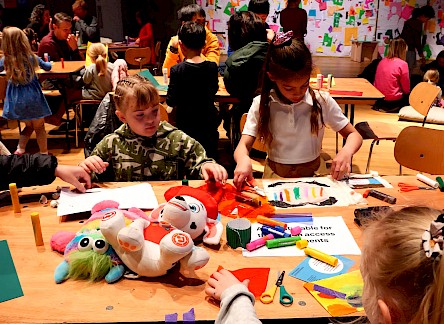
Sensory play is a critical part of a toddler’s development. Engaging a child’s senses through play not only enhances cognitive growth but also builds motor skills and emotional regulation. Sensory activities are designed to stimulate a child’s senses: touch, smell, taste, sight, and hearing. By exploring different textures, sounds, and smells, toddlers can make important connections in their brain, aiding in the development of language and social skills. As a parent or caregiver, incorporating sensory play into daily activities can be both fun and educational. This article will delve into various sensory play ideas and strategies to engage toddlers effectively.
Benefits of Sensory Play
Sensory play is more than just an enjoyable activity for toddlers; it offers numerous developmental benefits:
- Enhances brain development by building nerve connections.
- Encourages language development through descriptive words.
- Supports cognitive growth by promoting problem-solving and decision-making skills.
- Fosters social interactions and cooperative play.
- Improves fine and gross motor skills.
For more information on how sensory play can benefit toddlers, explore advanced guides and tips here.
Popular Sensory Play Activities
Water Play
Water play is a versatile sensory activity that can be easily set up either indoors or outdoors. It helps toddlers understand concepts like volume, temperature, and buoyancy. Here are a few ideas:
- Fill a tub with water and add floating toys or cups for pouring.
- Introduce different temperatures by adding ice cubes.
- Encourage imaginative play with toy boats or animals.
Discover expert strategies here to enhance water play with educational elements.
Sand Play
Sand play is an excellent way to develop fine motor skills, as toddlers dig, scoop, and mold sand. Consider these activities:
- Create a sandbox with various tools like shovels, buckets, and molds.
- Incorporate wet sand to build structures and explore textures.
- Add small objects like shells or stones for treasure hunts.
Learn about our tailored solutions for sand play settings by visiting this page.
Messy Play
Messy play, such as finger painting or playing with clay, provides toddlers with an opportunity to express creativity and explore new textures. Benefits include:
- Promotes creativity and self-expression.
- Enhances tactile awareness and sensory processing.
- Offers a medium for children to express emotions.
Find out more about this approach and how to incorporate messy play effectively here.
Creating a Safe Sensory Environment
Safety is paramount when engaging toddlers in sensory play. Here are some tips to ensure a safe environment:
- Use non-toxic materials and supervise play at all times.
- Ensure small objects are not a choking hazard.
- Keep play areas clean and well-ventilated.
- Introduce new materials gradually to monitor reactions.
Explore advanced guides and tips on creating a safe sensory play environment at this link.
Conclusion
Incorporating sensory play into a toddler’s routine provides invaluable learning experiences and developmental benefits. By engaging their senses, toddlers can explore the world around them in a fun and meaningful way. Whether through water, sand, or messy play, the possibilities are endless. For parents and caregivers ready to dive into sensory play, explore more to find the best strategies and tools to enrich a child’s development journey.

