
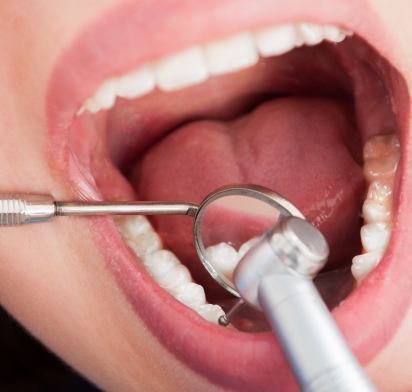
Undergoing a tooth extraction can be a daunting experience for many, but understanding the necessary steps before and after the procedure can significantly ease anxiety and promote a smoother recovery. Tooth extractions are often necessary for various reasons, ranging from severe decay and gum disease to overcrowding and impacted teeth. Preparing adequately and following post-extraction care instructions are crucial to ensure optimal healing and prevent complications. This article aims to guide you through the essential steps to take before and after having a tooth extracted by a dentist.
Preparation Before Tooth Extraction
Proper preparation before a tooth extraction can significantly impact the outcome and recovery process. Here are some essential steps to consider:
- Consultation with Your Dentist: Schedule a thorough consultation to discuss the procedure and clarify any queries you might have. It’s important to understand the reason for the extraction and the steps involved in the process. Read more about this topic.
- Medical History Disclosure: Inform your dentist about your complete medical history, including any medications, allergies, or conditions that may affect the procedure.
- Pre-Procedure Instructions: Follow any specific instructions given by your dentist, such as fasting before the procedure if sedation is involved.
- Transportation Arrangements: Arrange for transportation to and from the dental office, especially if sedation or anesthesia is part of the procedure.
- Comfort and Support: Consider having a friend or family member accompany you for support before and after the extraction.
Post-Extraction Care
The importance of post-extraction care cannot be overstated, as it plays a vital role in preventing complications and ensuring a smooth recovery. Below are key aspects to focus on after your tooth extraction:
Immediate Aftercare
- Gauze Pad Placement: Bite gently on the gauze pad placed over the extraction site to minimize bleeding and promote clot formation. Change the gauze as instructed by your dentist.
- Avoid Disturbing the Clot: Do not rinse your mouth vigorously, use a straw, or smoke, as these actions can dislodge the blood clot and lead to a painful condition known as dry socket. Learn more in this detailed guide.
- Manage Pain and Swelling: Use prescribed or over-the-counter pain relievers to manage discomfort. Apply an ice pack to the outside of your cheek for 10-20 minutes at a time to reduce swelling.
Dietary Adjustments
- Soft Foods: Stick to a diet of soft foods and liquids such as yogurt, applesauce, and soup for the first few days post-extraction.
- Avoid Hot and Spicy Foods: Steer clear of hot, spicy, or acidic foods that could irritate the extraction site.
- Stay Hydrated: Drink plenty of fluids, but avoid using a straw, as the suction can disrupt the healing process.
Oral Hygiene Practices
- Gentle Brushing: Continue to brush your teeth, avoiding the extraction area, to maintain overall oral hygiene.
- Saltwater Rinse: After the first 24 hours, gently rinse your mouth with warm saltwater to help keep the extraction site clean and promote healing.
- Regular Check-Ups: Attend all follow-up appointments with your dentist to ensure proper healing and address any concerns. Explore further insights here.
Signs of Complications
While most tooth extractions heal without issues, it is crucial to be aware of potential complications. Contact your dentist if you experience any of the following:
- Excessive Bleeding: Persistent bleeding that doesn”?t subside after following initial care instructions.
- Severe Pain: Intense pain that does not improve with prescribed pain management.
- Fever or Infection: Signs of infection such as fever, pus, or unusual discharge from the extraction site.
- Swelling or Redness: Increasing swelling or redness that could indicate infection or other complications.
Understanding the essential steps before and after a tooth extraction can significantly enhance the experience and recovery process. By following the guidelines outlined above, you can help ensure a smoother procedure and optimal healing. Find additional information here.

