
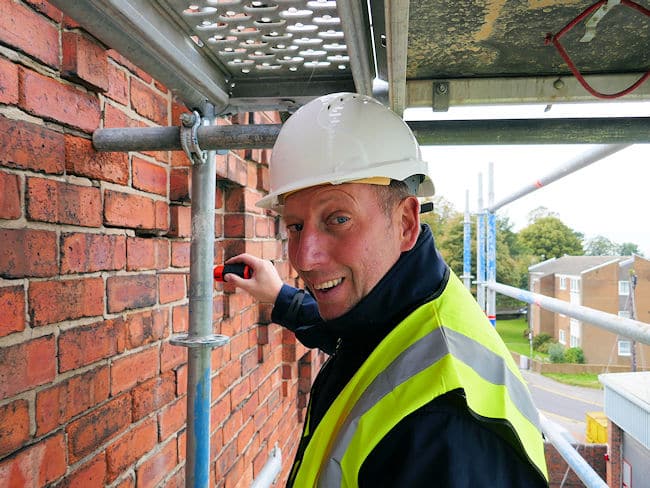
Wall ties are a critical component in maintaining the structural integrity of cavity walls in buildings. Over time, these ties can become corroded or damaged, leading to potential safety hazards and structural issues. Homeowners must be aware of the importance of wall tie replacement to ensure the longevity and stability of their homes. This guide provides an overview of the key considerations and steps involved in wall tie replacement, with resources for further information and professional advice.
Understanding Wall Ties and Their Importance
Wall ties serve as connectors between the inner and outer walls of a building, providing essential structural support. They are typically made from metal, which can corrode over time due to environmental exposure. When wall ties fail, the walls may become unstable, leading to cracks and other structural issues. Regular inspections and timely replacements are crucial for maintaining the integrity of buildings.
Signs of Wall Tie Failure
- Visible cracks in the mortar or brickwork.
- Bulging or leaning walls.
- Rust stains on the wall surface.
- Gaps between the bricks and mortar.
Steps to Wall Tie Replacement
Assessment and Inspection
The first step in wall tie replacement is a thorough inspection to assess the condition of the existing ties. This involves:
- Visual examination of the wall for signs of damage.
- Using metal detectors or borescopes to locate and evaluate the state of the ties.
- Consulting with professionals for a detailed assessment if necessary. Discover expert strategies here.
Replacement Process
Once the need for replacement is confirmed, the process involves:
- Removing damaged ties carefully to prevent further wall damage.
- Installing new, corrosion-resistant ties made from stainless steel or similar materials.
- Ensuring proper alignment and spacing according to building codes and standards.
It’s advisable to engage professionals who are experienced in wall tie replacement for these tasks. Learn about our tailored solutions.
Maintenance and Future Prevention
Post-replacement, maintaining the condition of wall ties is crucial to prevent future issues. Homeowners should:
- Conduct regular inspections, especially after severe weather conditions.
- Keep the exterior walls clean and free from debris buildup.
- Ensure proper drainage to avoid water accumulation around the foundation and walls.
Regular maintenance can help identify problems early, minimizing repair costs and structural damage. Explore advanced guides and tips.
Conclusion
Wall tie replacement is a vital aspect of maintaining the structural health of a home. Timely inspection and replacement can prevent costly repairs and ensure the safety of the building. Homeowners are encouraged to stay informed and seek professional advice when dealing with such critical components of their home. For more detailed guidance and professional support, find out more about this approach.

