
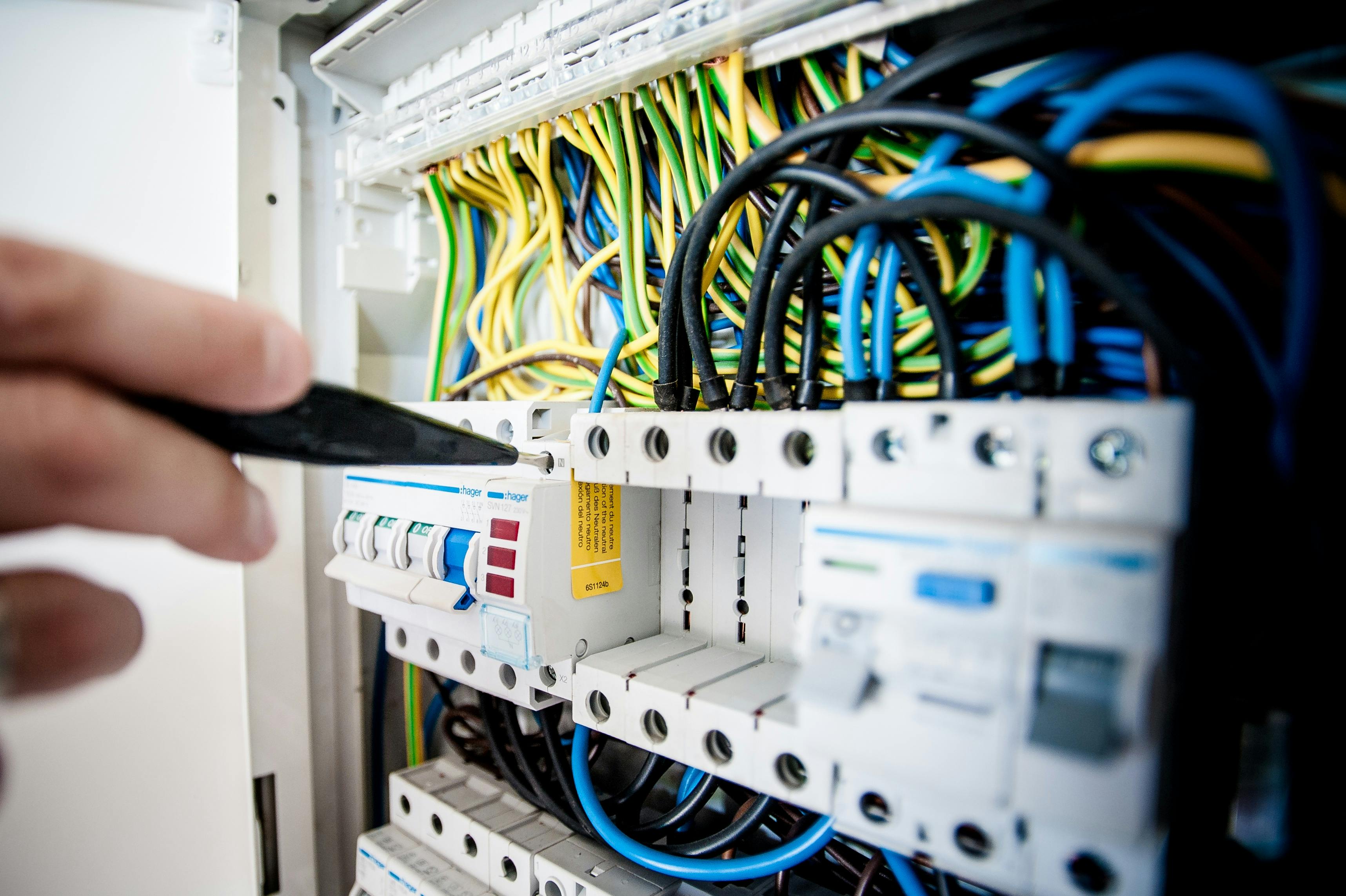
In the ever-evolving world of construction and infrastructure, customized electrical solutions have become a necessity rather than a luxury. As buildings become more complex, the need for tailored electrical design and build services becomes paramount. The integration of bespoke electrical systems ensures efficiency, safety, and adaptability, meeting the unique demands of each project. Understanding the importance of customized electrical solutions can significantly enhance the functionality and sustainability of any building.
Understanding Electrical Design Build
The term ‘electrical design build’ refers to a comprehensive approach that integrates both the design and construction phases of electrical systems. This method streamlines the process, allowing for seamless collaboration between designers and builders.
- Efficiency: Streamlining design and construction reduces time and costs.
- Collaboration: Enhances communication between teams, preventing delays and miscommunications.
- Customization: Tailored solutions that meet specific project requirements.
For those seeking to delve deeper into how this approach can benefit complex projects, explore further insights here.
Benefits of Custom Electrical Solutions
Custom electrical solutions are designed to meet the specific needs of a project, ensuring optimal performance and safety. Here are some key benefits:
- Enhanced Efficiency: Customized systems are tailored to match the energy demands of the building, reducing waste and optimizing energy usage.
- Improved Safety: Tailored designs account for the unique parameters of each building, thereby enhancing safety standards.
- Future-Proofing: Custom solutions are designed with scalability in mind, allowing for future expansions or modifications.
For a more comprehensive understanding of these benefits, read more about this topic.
Key Components of a Custom Electrical Design Build
Initial Consultation and Assessment
A thorough assessment of the building’s needs and constraints is essential. This initial step involves detailed discussions with stakeholders to understand their objectives and requirements.
Design Phase
The design phase involves creating detailed plans that outline the electrical system’s layout, components, and connections. This phase requires close collaboration between architects and electrical engineers to ensure all aspects are covered.
Construction and Implementation
The construction phase is where the design comes to life. Skilled professionals install the components, ensuring compliance with safety and quality standards. Learn more in this detailed guide about the implementation processes.
Testing and Maintenance
Once the system is installed, rigorous testing is conducted to ensure everything functions as intended. Regular maintenance is scheduled to prolong the life of the system and maintain peak performance.
Choosing the Right Electrical Design Build Partner
Selecting the right partner for your electrical design build project is crucial. Consider the following factors:
- Experience: Ensure the partner has a proven track record in similar projects.
- Reputation: A reputable partner will have positive feedback and references from past clients.
- Innovation: Seek partners who are abreast of the latest technologies and trends.
- Flexibility: The ability to adapt to changing project needs is vital.
For additional information on selecting the right partner, find additional information here.