
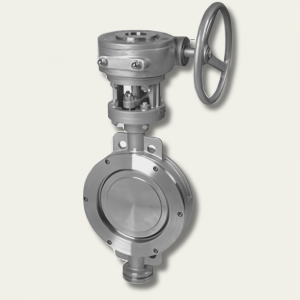
In the realm of fluid control systems, selecting the appropriate valve type is crucial for ensuring optimal performance and operational efficiency. Among the various types of valves available, butterfly valves are especially popular due to their compact design and versatility. Two primary variations of butterfly valves are the lugged and wafer types. Both have unique features and applications, making it essential for industry professionals to understand their differences to make informed decisions. This article delves into the characteristics of lugged and wafer butterfly valves, highlighting their advantages, limitations, and ideal use cases.
Understanding Lugged Butterfly Valves
Lugged butterfly valves are known for their robust construction and ability to handle higher pressure differentials, making them suitable for a variety of industrial applications. Their design features threaded inserts on both sides of the valve body, allowing them to be bolted into a system with ease.
Advantages of Lugged Butterfly Valves
- Bidirectional Functionality: Lugged valves can isolate either side of the piping system, allowing for maintenance without disrupting the entire setup.
- High Pressure Handling: These valves are capable of handling higher pressure and temperature conditions compared to wafer valves.
- Secure Installation: The threaded bolts provide a secure and rigid installation, minimizing the risk of leaks.
For those seeking detailed information and tailored solutions regarding lugged butterfly valves, discover expert strategies here.
Exploring Wafer Butterfly Valves
Wafer butterfly valves are characterized by their lightweight design and cost-effectiveness. They are typically sandwiched between two flanges in a piping system, relying on the flange bolts to hold them in place.
Benefits of Wafer Butterfly Valves
- Cost-Effective Solution: Wafer valves generally require less material, making them more economical for projects with budget constraints.
- Compact Design: Their slim profile is ideal for applications where space is limited.
- Easy Installation: Wafer valves are easier and quicker to install compared to lugged valves, reducing downtime during maintenance.
To gain further insights into the application and advantages of wafer valves, learn about our tailored solutions.
Key Differences Between Lugged and Wafer Butterfly Valves
While both valve types serve similar purposes, their construction and application scenarios differ significantly:
- Installation Method: Lugged valves are bolted directly to the pipe flanges, whereas wafer valves are held in place by the flange bolts.
- Pressure Ratings: Lugged valves can handle higher pressures, making them suitable for more demanding environments.
- Application Flexibility: Lugged valves allow for the isolation of sections of piping, which is not possible with wafer valves.
For more comprehensive information on the differences and suitable use cases, explore advanced guides and tips.
Choosing the Right Valve for Your Needs
Selecting between a lugged and wafer butterfly valve depends largely on the specific requirements of the application. Consider the following factors:
- Pressure and Temperature: If the system operates under high pressure and temperature, a lugged valve may be more appropriate.
- Space Constraints: For projects with limited space, wafer valves offer a compact and efficient solution.
- Maintenance Requirements: Consider the ease of maintenance and the need to isolate sections of the piping system.
To make an informed decision, find out more about this approach.
In conclusion, both lugged and wafer butterfly valves have distinct benefits and limitations, which should be carefully considered in the context of the intended application. By understanding these factors, professionals can ensure the selection of the most suitable valve, leading to improved system efficiency and longevity.

