
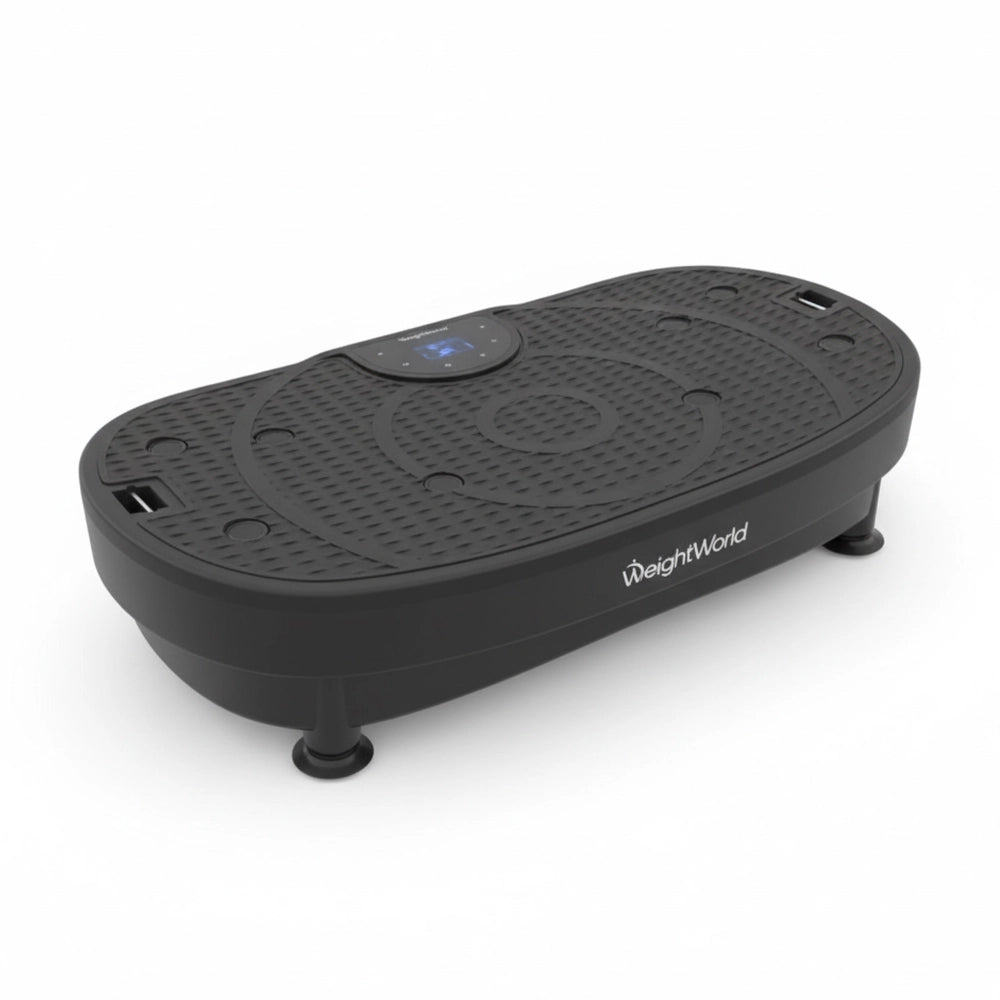
Vibration plate technology has moved from niche rehabilitation equipment to a mainstream fitness tool, offering a time-efficient way to enhance strength, flexibility, and overall health. By delivering rapid oscillations to the body, a vibration plate stimulates muscle fibers, improves circulation, and activates neuromuscular pathways that traditional static exercises may miss. This article explores the science behind the device, outlines the most compelling benefits, and provides practical guidance on incorporating a vibration plate machine into a well-rounded training regimen.
How Vibration Plate Technology Works
When a user stands, sits, or performs exercises on a vibrating platform, the plate generates mechanical oscillations that travel through the body. These vibrations typically range from 15 to 60 Hz and can be delivered in vertical, horizontal, or multidirectional patterns. The rapid muscle contractions, known as the tonic-vibratory reflex, trigger several physiological responses:
- Increased muscle activation: Up to 50% more motor unit recruitment compared with the same exercise performed on a stable surface.
- Enhanced blood flow: Pulsatile motion promotes vasodilation, delivering oxygen and nutrients more efficiently.
- Improved proprioception: The nervous system adapts to the unpredictable stimulus, sharpening balance and coordination.
Key Fitness Benefits
1. Strength and Power Development
Because the muscles must constantly contract to stabilize the body, users experience a strength-building effect similar to high-intensity resistance training. Studies indicate that regular sessions can increase lower-body strength by 10-15% in as little as six weeks.
- Ideal for individuals with limited time, short 10-minute bouts can rival longer weight-lifting routines.
- Supports progressive overload by adjusting frequency, amplitude, and session duration.
2. Flexibility and Mobility
The rhythmic motion gently stretches muscle fibers while they contract, creating a dynamic stretch that improves range of motion without the discomfort often associated with static stretching.
- Helps alleviate joint stiffness, particularly in the hips, knees, and lower back.
- Can be combined with yoga poses for a hybrid flexibility-strength workout.
3. Bone Density Support
Mechanical loading is a proven stimulus for bone remodeling. Vibration therapy delivers low-impact loading that can stimulate osteoblast activity, making it a valuable adjunct for those at risk of osteoporosis.
- Research shows modest increases in bone mineral density after 12 months of consistent use.
- Suitable for older adults who need a gentler alternative to high-impact weight-bearing exercises.
4. Weight Management and Metabolic Boost
While not a standalone fat-loss solution, the increased muscular effort raises post-exercise oxygen consumption (EPOC), helping the body burn additional calories after a session.
- Combines well with cardio or interval training for a comprehensive calorie-burn strategy.
- May improve insulin sensitivity, supporting better blood-sugar regulation.
5. Rehabilitation and Injury Prevention
Physical therapists often prescribe vibration plates to accelerate recovery after musculoskeletal injuries. The low-impact nature reduces joint stress while still providing a stimulus for muscle re-education.
- Facilitates early activation of atrophied muscles after immobilization.
- Assists in restoring balance and proprioception, decreasing re-injury risk.
Design Features to Consider When Choosing a Vibration Plate Machine
Selecting the right device involves more than aesthetics. Key specifications influence the quality of the training experience.
- Frequency range: Look for models offering 15-60″?Hz to accommodate both beginner and advanced protocols.
- Amplitude control: Adjustable travel distance (1-10″?mm) allows fine-tuning of intensity.
- Platform size: Sufficient surface area ensures comfort for standing, squatting, or seated exercises.
- Program variety: Pre-set workouts for strength, flexibility, and circulation simplify session planning.
- Safety features: Anti-slip surfaces, overload protection, and clear user manuals are essential.
Integrating Vibration Training into a Balanced Routine
To maximize benefits, treat the vibration plate as a complementary tool rather than a replacement for traditional training.
Sample Weekly Schedule
- Monday – Strength Focus: 3″???”?30-second squats on the plate at 35″?Hz, followed by conventional dumbbell lunges.
- Wednesday – Mobility & Recovery: 10-minute low-frequency (20″?Hz) session with dynamic stretches and yoga poses.
- Friday – Power & Cardio: 4″???”?20-second high-intensity intervals (45″?Hz) interspersed with jump rope sets.
- Weekend – Optional Light Session: 5-minute circulation boost at 25″?Hz while watching television.
Consistent use, ideally 2-4 times per week, produces measurable improvements without overloading the musculoskeletal system.
Precautions and Best Practices
- Start with low frequency and short durations; gradually increase as tolerance builds.
- Maintain proper posture: keep knees slightly bent, core engaged, and spine neutral.
- Stay hydrated and allow adequate rest between sessions.
- Consult a healthcare professional before beginning if you have cardiovascular conditions, recent surgeries, or pregnancy.
Conclusion
A well-designed vibration plate machine offers a versatile, low-impact method to enhance strength, flexibility, bone health, and metabolic function. By integrating short, targeted sessions into an existing fitness plan, users can enjoy accelerated results while minimizing joint stress. As scientific evidence continues to support its efficacy, the vibration plate stands out as a valuable addition to modern training environments, whether in a home gym, a commercial facility, or a rehabilitation clinic.