
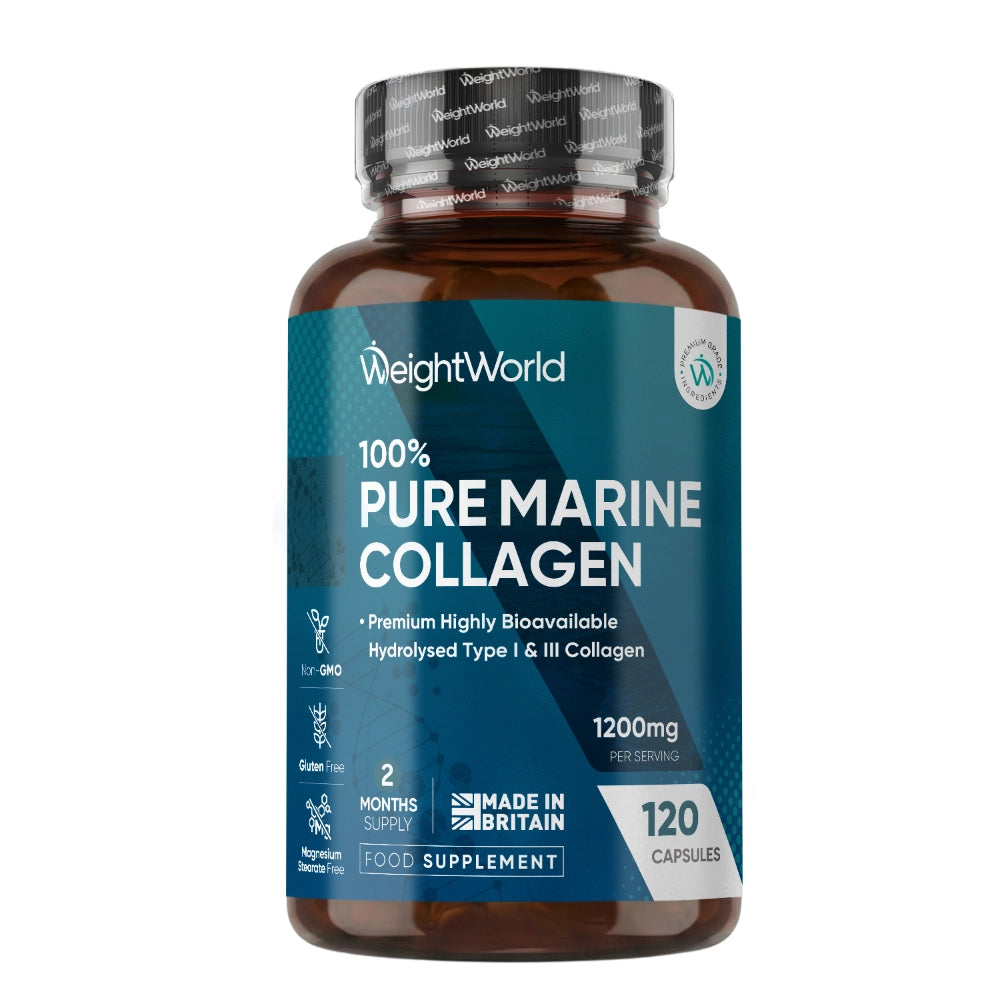
Reaching the milestone of 50 brings many changes, and skin, hair, nails, and joint health often become top priorities for women. Collagen, the most abundant protein in the body, naturally declines after the mid-30s, leading to visible signs of ageing and reduced connective-tissue resilience. Selecting the right collagen supplement can help counteract these effects, but the market is crowded with marine, bovine, and multi-source options, each boasting different benefits. This guide explains how to evaluate collagen products specifically for women over 50 in the UK, highlighting key ingredients, formulation types, and practical tips for making an informed purchase.
Understanding Collagen Types and Their Benefits
Collagen is categorized by its amino-acid profile and source. The most relevant types for mature women are:
- Type I: Predominant in skin, hair, and nails; supports elasticity and firmness.
- Type II: Found mainly in cartilage; aids joint comfort and mobility.
- Type III: Works alongside Type I to maintain skin structure and vascular health.
Marine collagen, derived from wild-caught fish, is rich in Type I and is highly bioavailable, making it a popular choice for skin-focused formulations. Bovine collagen typically offers a blend of Types I and III, while chicken cartilage provides Type II for joint support. For women over 50, a product that combines Type I with either Type III or II can deliver a balanced approach to both external appearance and internal joint health.
Key Factors to Consider When Choosing a Collagen Supplement
1. Source and Purity
- Prefer marine or grass-fed bovine sources to avoid hormones and antibiotics.
- Check for third-party testing certificates that confirm the absence of heavy metals and contaminants.
2. Formulation and Dosage
- Effective daily doses range from 5″?g to 10″?g of hydrolysed collagen.
- Look for added vitamins C or E, which enhance collagen synthesis.
- Powders provide flexibility for mixing into drinks, while capsules offer convenience.
3. Additional Supportive Ingredients
- Vitamin C: Essential co-factor for collagen production.
- Hyaluronic acid: Improves skin hydration and joint lubrication.
- Biotin: Supports nail and hair strength.
- Omega-3 fatty acids: Complement marine collagen for skin barrier health.
4. Taste and Mixability
- Unflavoured powders should dissolve without clumping; flavored options may contain added sugars.
- Consider personal preference, some users prefer the neutrality of capsules.
How to Evaluate Product Claims
Manufacturers often use marketing language that can be difficult to verify. Apply the following checklist:
- Is the collagen hydrolysed (peptides) for better absorption?
- Are the source details (e.g., “wild-caught North Atlantic cod”) disclosed?
- Do independent labs confirm peptide size (<"?3"?kDa) and purity?
- Is there clinical evidence, preferably peer-reviewed, supporting the stated benefits?
For a curated selection of UK-based products that meet these standards, Discover expert strategies here and explore formulations that have undergone rigorous testing.
Top Ingredients to Pair With Collagen for Women Over 50
- Vitamin C (ascorbic acid): Boosts natural collagen synthesis and acts as an antioxidant.
- Silica: Enhances skin elasticity and supports connective tissue.
- Magnesium: Plays a role in protein synthesis and muscle function.
- Probiotic strains: May improve gut health, aiding nutrient absorption.
When a product includes these synergistic components, it often delivers more noticeable results. Detailed ingredient breakdowns can be found on many retailer pages; Learn about our tailored solutions for a deeper dive into each additive’s role.
Practical Tips for Incorporating Collagen Into Daily Life
- Consistency is key: Take the supplement at the same time each day, ideally with a meal containing vitamin C.
- Hydration: Adequate water intake supports peptide transport and skin moisture.
- Combine with lifestyle habits: Regular low-impact exercise, a balanced diet rich in lean protein, and sun protection amplify collagen benefits.
- Monitor progress: Track skin firmness, nail strength, and joint comfort over 8-12 weeks to assess effectiveness.
For guidance on creating a holistic routine that includes collagen, Explore advanced guides and tips that align with a mature woman’s health goals.
Common Myths About Collagen for Mature Women
- Myth: All collagen products are the same. Reality: Source, peptide size, and added nutrients dramatically affect efficacy.
- Myth: Collagen can replace a healthy diet. Reality: It supplements, not substitutes, a protein-rich diet.
- Myth: Results appear instantly. Reality: Visible changes typically emerge after 4-6 weeks of consistent use.
Where to Purchase High-Quality Collagen in the UK
Choosing a reputable retailer ensures product authenticity and proper storage conditions. Online platforms that specialise in health supplements often provide detailed lab reports and customer reviews. For a vetted selection that adheres to UK standards, Find out more about this approach and browse options that cater specifically to the needs of women over 50.
Conclusion
For women entering their 50s, collagen supplementation can be a valuable tool to support skin elasticity, joint comfort, and overall connective-tissue health. By focusing on source purity, appropriate dosage, complementary nutrients, and credible evidence, it is possible to choose a product that delivers measurable benefits without unnecessary hype. Integrating the supplement into a balanced lifestyle, paired with proper nutrition, hydration, and regular movement, maximises results and helps maintain a vibrant, youthful appearance well beyond the half-century mark.

