
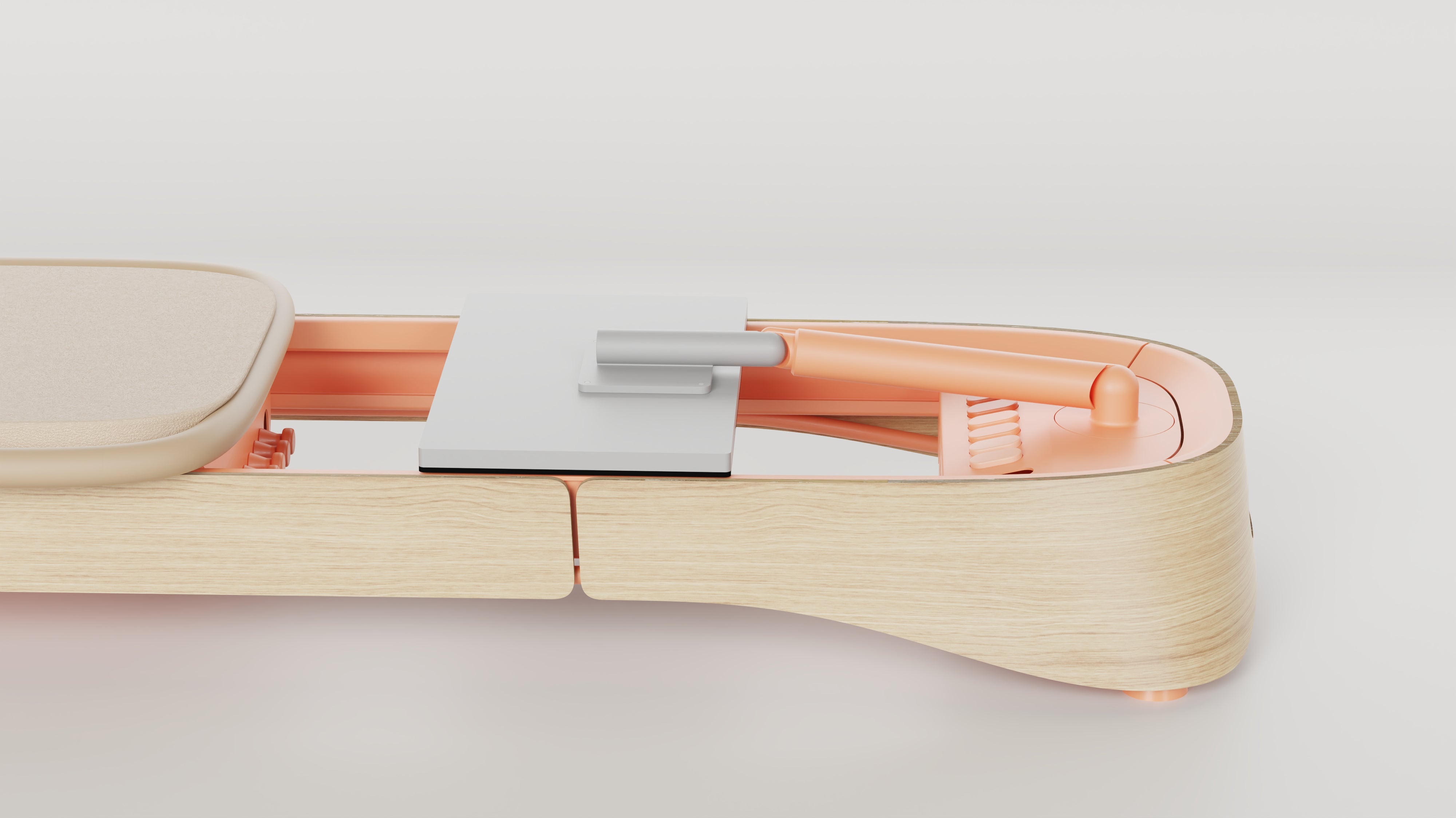
Creating a dedicated space for Pilates at home transforms a simple workout routine into a disciplined practice that nurtures strength, flexibility, and mindfulness. A well-chosen pilates reformer can become the centerpiece of that studio, offering a full-body experience that mirrors a professional class while fitting comfortably within a residential setting. This guide walks through the essential steps for selecting, positioning, and accessorizing a reformer-based home studio, ensuring the environment supports consistent practice and long-term enjoyment.
Choosing the Right Reformer for Your Space
Before committing to a purchase, evaluate the dimensions of the room, the type of training you plan to do, and any budget constraints. The market offers a range of models, from compact, fold-away units to robust, commercial-grade machines, each with distinct features.
Key considerations
- Footprint and clearance: Allow at least 3″?feet of space around the carriage for full range of motion.
- Adjustability: Look for models with multiple spring stacks or digital resistance to accommodate beginner to advanced levels.
- Added technology: Some units include a built-in screen for streaming classes; see options like a pilates reformer machine with screen.
- Construction material: Wooden frames provide aesthetic warmth, while steel offers durability. A wooden pilates reformer can blend seamlessly with home d??cor.
- Price transparency: Compare the cost of pilates reformer against features to determine value.
For those seeking the best blend of quality and affordability, searching for the best pilates reformer for home often leads to models that balance professional performance with residential practicality.
Preparing the Room
A functional studio begins with a clean, well-ventilated area that encourages focus. Follow these steps to ready the space:
- Lay down a non-slip rubber mat or interlocking foam tiles to protect flooring and reduce noise.
- Install a full-length mirror on one wall; visual feedback improves alignment.
- Ensure adequate lighting, natural light is ideal, supplemented by adjustable LED fixtures.
- Mount a sound system or Bluetooth speaker for guided sessions.
- Maintain a temperature range of 68-72″???F (20-22″???C) for optimal muscle elasticity.
Safety and ergonomics
Position the reformer so that the carriage moves parallel to a wall, minimizing the risk of accidental collisions. Keep cords and accessories organized to avoid tripping hazards. An ergonomic setup reduces strain on the lower back and shoulders, especially during longer workouts.
Essential Accessories for a Complete Studio
While the reformer itself is the star, complementary tools enhance versatility and comfort.
- Resistance bands: Add variable tension for upper-body work.
- Cushioned footbars and shoulder rests: Provide support for clients with joint sensitivities.
- Stability ball and small hand weights: Expand the exercise library without requiring extra machines.
- Digital tablet or monitor: Connect to the reformer pilates with screen for on-demand classes.
- Storage solutions: Wall-mounted racks keep straps, bands, and towels tidy.
Optimizing Your Practice Routine
With the physical environment in place, focus shifts to structuring effective workouts. A balanced session typically includes:
- Warm-up: Light cardio or dynamic stretches to increase blood flow.
- Core activation: Hundred variations on the carriage.
- Strength series: Footwork, long box, and short box sequences.
- Flexibility work: Stretches using the reformer’s springs for assisted lengthening.
- Cool-down: Gentle spinal articulation and breathing exercises.
Utilizing a reformer pilates home setup allows for quick adjustments between exercises, keeping the flow smooth and the mind engaged.
Tracking Progress
Many modern reformers feature digital consoles that record resistance levels, repetitions, and session duration. Pairing this data with a fitness app can highlight trends and inform future programming. For those without built-in tech, a simple spreadsheet or notebook works just as well.
Maintenance and Longevity
Regular care extends the life of the equipment and preserves performance.
- Wipe down the carriage and frame after each session to remove sweat and dust.
- Inspect springs and cables monthly; replace any that show signs of wear.
- Lubricate moving parts according to the manufacturer’s guidelines, usually once every 3-6 months.
- Check the stability of bolts and screws; tighten as needed.
When it comes time to upgrade, consider the frame fitness reformer line, known for reliable components and a reputation for durability.
Financial Considerations
Investing in a home studio is a long-term commitment. Understanding the price pilates reformer landscape helps avoid surprise expenses.
- Initial purchase: Compare the how much is a pilates machine across retailers.
- Shipping and assembly: Some vendors offer free delivery; others charge a fee.
- Warranty: Look for at least a 2-year coverage on mechanical parts.
- Financing options: Many brands provide interest-free plans for the best at home pilates reformer.
Final Thoughts
Establishing a dedicated at home reformer studio blends the convenience of private practice with the rigor of studio-level training. By thoughtfully selecting a reformer, preparing the room, adding purposeful accessories, and committing to regular maintenance, the space becomes a lasting resource for health, resilience, and personal growth. Whether the goal is to master advanced sequences or simply enjoy a daily movement ritual, a well-designed home Pilates environment offers the flexibility and support needed to thrive.

