
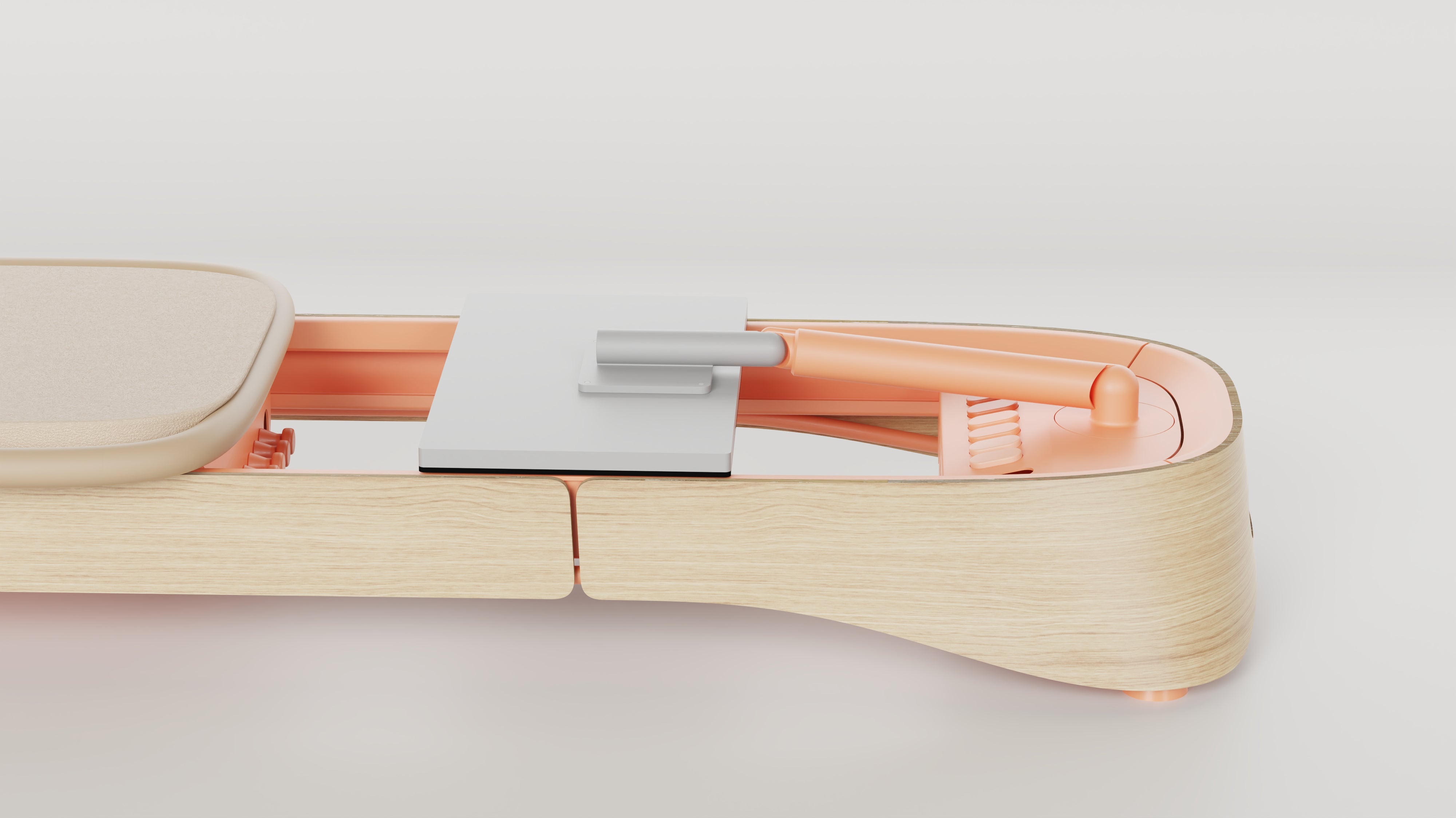
Investing in a Pilates reformer for home use can feel like navigating a maze of price points, features, and brand promises. While high-end models deliver studio-grade performance, many fitness enthusiasts seek a balance between quality and affordability. Understanding the cost structure, identifying budget-friendly options, and knowing where to allocate funds for durability can turn a daunting purchase into a strategic investment for long-term health.
Understanding the Price Spectrum
The market for home Pilates reformers ranges from under $300 to upwards of $5,000. Several factors drive this variation:
- Frame material: Steel frames are typically more expensive than aluminum or reinforced wood.
- Carriage system: Smooth gliding mechanisms (e.g., ball bearings or linear bearings) add to cost but improve performance.
- Adjustability: Multi-position footbars, headrests, and resistance levels increase price.
- Portability: Foldable or compact designs often carry a premium for engineering complexity.
- Brand reputation & warranty: Established manufacturers may charge more for extended service coverage.
Budget-Friendly Options Without Compromise
1. Basic Steel Frame Models
For those prioritizing durability over extra features, a basic steel frame reformer offers a solid foundation. Prices typically sit between $300 and $600. Key considerations include:
- Sturdy, powder-coated steel that resists rust.
- Simple carriage with a single resistance spring set.
- Fixed footbar and headrest, suitable for beginners.
Even entry-level units can benefit from professional guidance. Discover expert strategies here to maximize workout efficiency on a basic machine.
2. Mid-Range Adjustable Reformer
Mid-range models, ranging from $700 to $1,200, introduce adjustable footbars, multiple resistance springs, and smoother carriage systems. These machines often include:
- Aluminum or hybrid frames for lighter weight.
- Ball-bearing carriages for quieter operation.
- Foldable designs for easy storage.
When comparing options, learn about our tailored solutions that highlight the trade-offs between portability and stability.
3. Compact Portable Reformer
Compact reformers are ideal for apartments or shared spaces. Though they can cost $800-$1,500, they often feature a collapsible frame and interchangeable resistance bands rather than heavy springs. Benefits include:
- Space-saving footprint (often under 30 inches wide).
- Quick assembly without tools.
- Versatile resistance options for progressive training.
For a deeper dive into selecting a portable unit, explore advanced guides and tips that address space constraints and ergonomic setup.
Key Features to Prioritize on a Budget
Even when cost is a primary driver, certain features should never be compromised:
- Safety mechanisms: Secure locking pins and non-slip footplates prevent accidents.
- Smooth glide: A well-engineered carriage reduces strain on joints.
- Warranty: Look for at least a 2-year parts warranty; it reflects confidence in build quality.
- Ease of maintenance: Simple spring or band systems are easier to service.
Cost-Saving Strategies
Buy During Sales Cycles
Major retailers often discount fitness equipment during seasonal sales (e.g., New Year, Black Friday). Setting price alerts can capture savings of up to 30%.
Consider Refurbished Units
Certified refurbished reformers undergo thorough inspection and typically include a limited warranty. They provide near-new performance at a fraction of the original price.
Bundle Accessories Wisely
Some sellers offer bundles that include a mat, resistance bands, and instructional DVDs. Evaluate each component’s necessity before committing to a bundle.
Long-Term Value Assessment
While a lower-priced reformer may meet immediate needs, evaluating long-term durability can prevent hidden costs. A machine that lasts a decade without major repairs offers a lower total cost of ownership than a cheap model that requires replacement after two years.
For a comprehensive analysis of lifespan versus price, find out more about this approach and see how quality materials influence wear over time.
Conclusion
Choosing a Pilates reformer for home use is less about finding the cheapest option and more about aligning budget with essential features, durability, and user experience. By understanding the price spectrum, focusing on safety and glide quality, and leveraging sales or refurbished opportunities, it is possible to acquire a reliable reformer without breaking the bank. The right investment not only supports consistent practice but also ensures that the equipment remains a valuable asset for years to come.

