
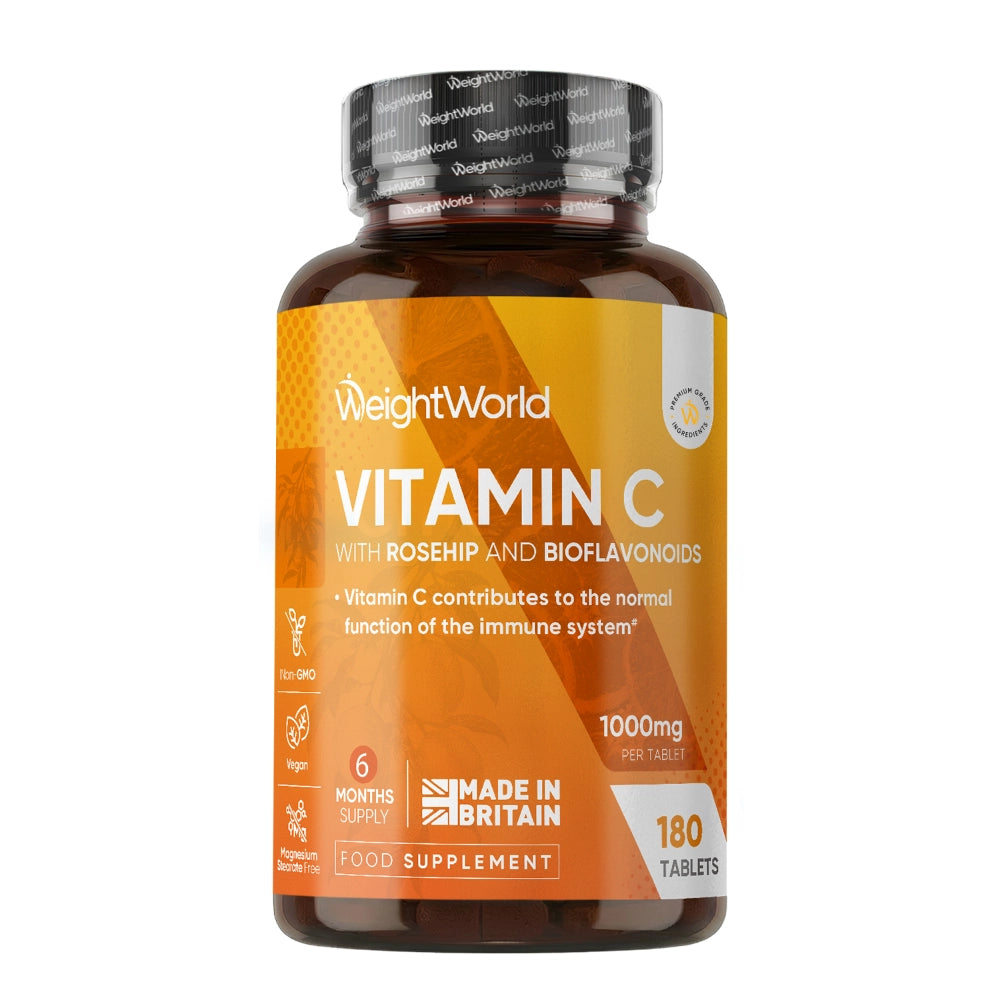
Vitamin”?C remains one of the most researched and widely recommended nutrients for supporting immune function, collagen synthesis, and overall cellular health. With an ever-growing market of powders, capsules, gummies, and timed-release formulas, choosing the right supplement can feel overwhelming. This guide cuts through the noise by reviewing the top vitamin”?C products available today, highlighting key ingredients, absorption technologies, and practical considerations so readers can make an informed decision that aligns with their health goals.
Why Vitamin”?C Still Matters in 2024
Despite the proliferation of “superfood” trends, vitamin”?C retains its relevance for several scientifically backed reasons:
- Immune modulation: As a potent antioxidant, vitamin”?C protects immune cells from oxidative stress and supports the production of interferon, a protein that helps fend off viral infections.
- Collagen production: The amino acid co-factor is essential for the hydroxylation of proline and lysine, processes that give skin, tendons, and blood vessels their strength and elasticity.
- Iron absorption: Vitamin”?C converts ferric iron (Fe?????) to the more absorbable ferrous form (Fe?????), improving the efficacy of dietary iron sources.
- Neurotransmitter synthesis: It participates in the creation of norepinephrine, influencing mood and cognitive performance.
How to Choose a High-Quality Vitamin”?C Supplement
Not all vitamin”?C products are created equal. When evaluating options, consider the following criteria:
Form and Bioavailability
- Ascorbic acid: The pure, water-soluble form; most research is based on this molecule.
- Buffered forms (e.g., calcium ascorbate, magnesium ascorbate): Less acidic, gentler on the stomach, and often marketed as “gentle” or “sustained-release.”
- Liposomal delivery: Encapsulates vitamin”?C in phospholipid vesicles, potentially enhancing cellular uptake and reducing gastrointestinal loss.
Additional Ingredients
- Bioflavonoids: Compounds such as quercetin, rutin, and hesperidin synergize with vitamin”?C, improving antioxidant capacity.
- Rosehip extract: Naturally high in vitamin”?C and polyphenols, it adds a botanical boost and pleasant flavor.
- Vitamin”?E or selenium: Complementary antioxidants that support a broader oxidative defense system.
Dosage and Delivery
- Typical daily ranges: 500″?mg-2000″?mg, divided into 2-3 doses for optimal absorption.
- Capsules vs. powders: Capsules provide convenience; powders allow flexible dosing and are ideal for mixing into smoothies.
- Gummies: Useful for those who dislike swallowing pills, though they may contain added sugars.
Top Vitamin”?C Supplements Reviewed
1. Premium Liposomal Vitamin”?C – 1000″?mg (30 Servings)
This product utilizes a patented liposomal encapsulation process that claims up to 3-fold higher plasma levels compared with standard ascorbic acid. The formula includes natural citrus bioflavonoids and a small amount of rosemary extract for added stability.
- Pros: High bioavailability, minimal stomach upset, vegan-friendly.
- Cons: Higher price point; requires refrigeration after opening.
- Best for: Athletes and individuals seeking rapid recovery after intense training.
2. Buffered Vitamin”?C with Rosehip – 500″?mg (120 Capsules)
A gentle, calcium-based buffered form combined with organic rosehip powder. The inclusion of rosehip provides natural flavonoids and a subtle tart flavor.
- Pros: Easy on the digestive system, long shelf life, cost-effective.
- Cons: Lower per-dose potency; may require multiple capsules for therapeutic levels.
- Best for: Individuals with sensitive stomachs or those who prefer a capsule format.
3. Vitamin”?C Powder with Bioflavonoid Blend – 1000″?mg (250″?g)
This bulk powder mixes well in water, juice, or smoothies. It contains a proprietary blend of citrus bioflavonoids, acerola extract, and a pinch of natural sweetener.
- Pros: Flexible dosing, excellent value per gram, no artificial additives.
- Cons: Requires mixing; taste may be slightly tangy for some users.
- Best for: Home chefs, families, and anyone who enjoys customizing their supplement regimen.
4. Vitamin”?C Gummies – 250″?mg (60 Gummies)
Chewable gummies formulated with natural fruit flavors, vitamin”?E, and a modest amount of organic cane sugar.
- Pros: Pleasant taste, portable, no water needed.
- Cons: Lower dosage per serving; added sugars may not suit strict low-sugar diets.
- Best for: Busy professionals, travelers, or those who dislike pills.
Integrating Vitamin”?C Into a Balanced Lifestyle
Supplementation works best when paired with a nutrient-dense diet and healthy habits. Consider these practical tips:
- Consume vitamin”?C-rich foods (citrus, kiwi, bell peppers, broccoli) alongside supplements to reinforce natural intake.
- Pair with iron-rich meals (red meat, lentils, spinach) to maximize iron absorption.
- Space doses throughout the day; the body absorbs roughly 200″?mg at a time, so splitting a 1000″?mg dose into 5″???”?200″?mg can improve utilization.
- Stay hydrated; vitamin”?C is water-soluble and excess is excreted via urine.
Where to Find the best vitamin c supplement
For those ready to purchase, reputable online retailers offer a curated selection of clinically tested products. Look for third-party testing labels, transparent ingredient lists, and clear dosage instructions. Reading user reviews and checking for certifications such as GMP (Good Manufacturing Practices) can further assure quality.
Final Thoughts
Choosing the right vitamin”?C supplement hinges on personal tolerance, lifestyle, and specific health objectives. Liposomal formulas excel in rapid absorption, buffered capsules protect sensitive stomachs, powders deliver cost-effective flexibility, and gummies provide convenience for on-the-go dosing. By evaluating the form, added botanicals, and dosage strategy, consumers can confidently select a product that supports immune resilience, skin vitality, and overall well-being. Remember, supplementation is a complement, not a substitute, for a balanced diet rich in whole foods and a lifestyle that prioritizes sleep, stress management, and regular physical activity.

