
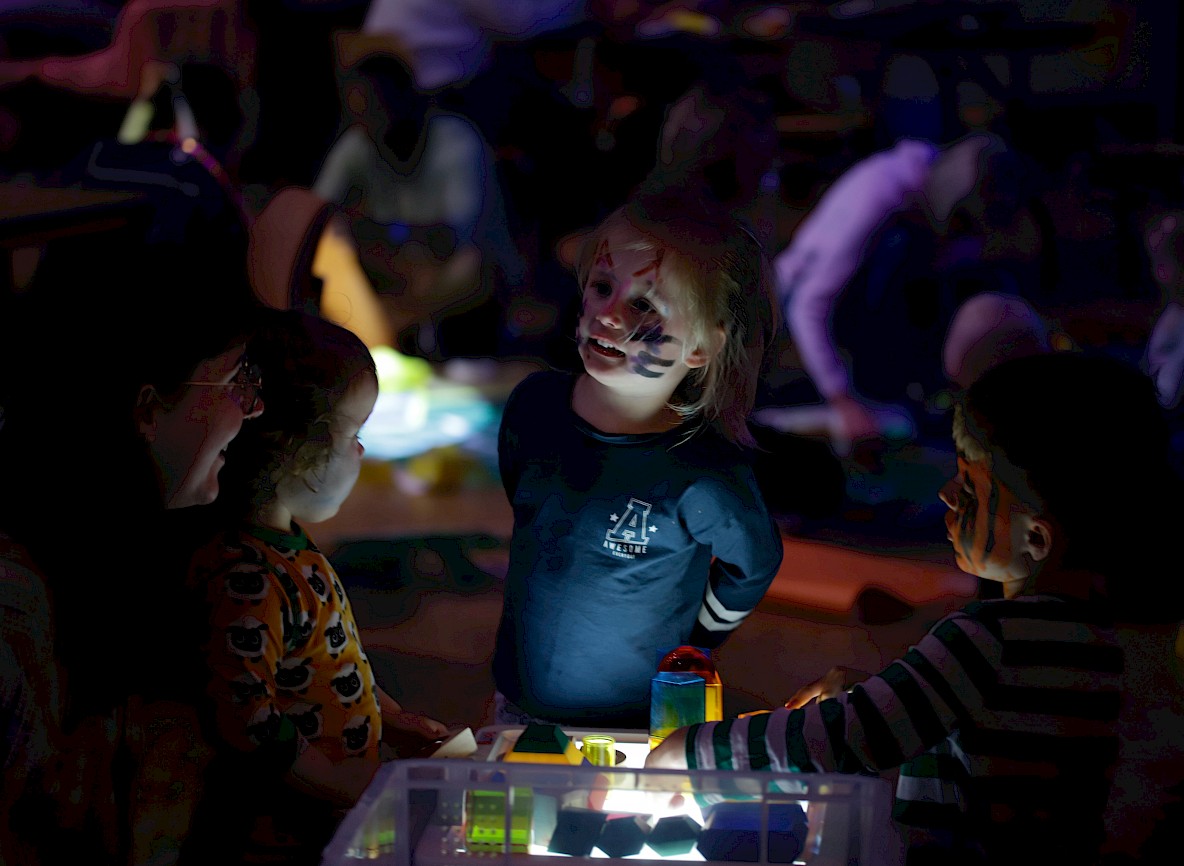
Sensory play is a vital component of early childhood development, offering young children the opportunity to explore and understand the world around them through their senses. This type of play is not only fun but also profoundly educational, as it supports cognitive growth, enhances motor skills, and fosters social interaction. For parents and educators looking to integrate sensory experiences into everyday activities, the following insights and strategies can be invaluable. Discover expert strategies here.
The Importance of Sensory Play
Sensory play involves activities that stimulate a child’s senses: sight, sound, touch, taste, and smell. Engaging toddlers in these activities helps them to:
- Develop fine and gross motor skills through actions such as squeezing, pouring, and molding.
- Enhance problem-solving skills by encouraging experimentation and exploration.
- Boost language development as children describe their sensory experiences.
- Improve social interaction through collaborative play with peers.
- Foster creativity and imagination by allowing children to create and manipulate their play environments.
Types of Sensory Play
Water Play
Water play is a versatile sensory activity that can be easily adapted for indoor or outdoor settings. It can include simple activities such as pouring water from one container to another or more complex setups like creating miniature water worlds with toys and objects. Learn about tailored solutions for water play here.
Sand Play
Sand play encourages tactile exploration and is perfect for developing fine motor skills. Children can build castles, dig tunnels, or simply enjoy the texture of the sand. Incorporating tools such as shovels, buckets, and molds can enhance the experience. Explore advanced guides and tips here.
Art and Craft with Textures
Introducing various textures through art and craft activities can be both fun and educational. Using materials like cotton balls, textured paper, or natural elements such as leaves and twigs allows children to explore different tactile sensations. Find out more about this approach here.
Setting Up a Sensory Play Environment
Creating a dedicated space for sensory play can make it easier for children to engage in these activities regularly. Consider the following tips when setting up a sensory play area:
- Ensure the space is safe and free from hazards.
- Use washable materials and surfaces to facilitate easy cleanup.
- Incorporate a variety of sensory materials and tools.
- Rotate materials and activities regularly to maintain interest and excitement.
Conclusion
Sensory play is an essential part of toddler development, offering countless benefits that extend beyond the playroom. By understanding the importance of sensory experiences and how to effectively incorporate them into daily routines, caregivers can support children’s growth in a fun and engaging way. For more detailed information, explore advanced guides and tips available online. Through thoughtful planning and creativity, sensory play can become a cherished part of every child’s learning journey.