
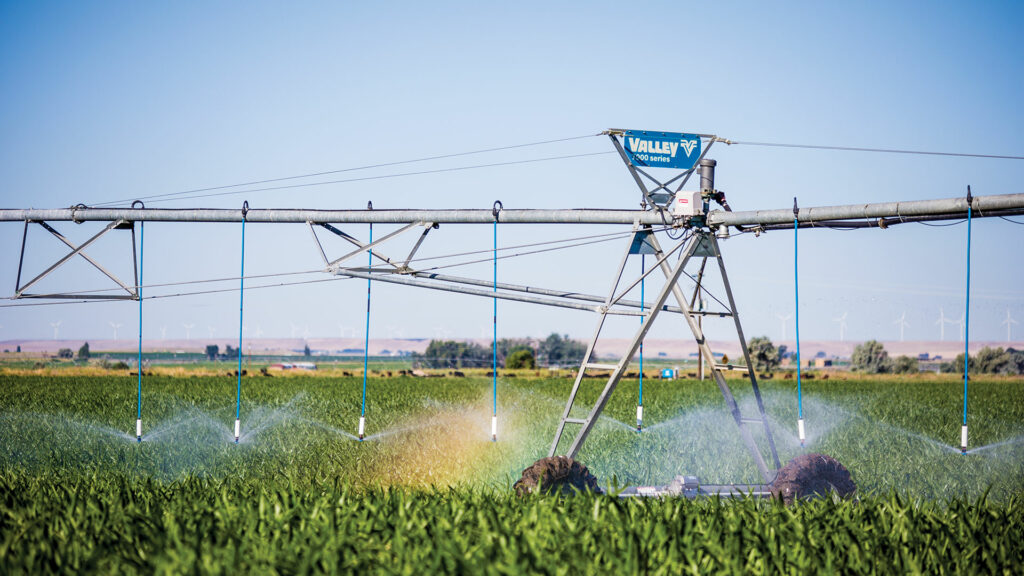
Center pivot irrigation systems are a crucial component in modern agriculture, offering efficient water distribution over large areas of farmland. These systems not only enhance crop yield but also conserve water, making them an indispensable tool for farmers seeking sustainability and productivity. Selecting the right center pivot irrigation system involves understanding various factors, such as field size, crop type, and water source availability. This guide delves into the essential considerations and options available, helping you make an informed decision.
Understanding Center Pivot Irrigation Systems
Center pivot irrigation systems consist of a series of pipes mounted on wheeled towers that rotate around a central pivot point, distributing water evenly across the field. This method is renowned for its efficiency and ability to cover vast areas. When choosing an irrigation system, it”?s crucial to understand its components and operation.
Key Components of a Center Pivot System
- Pivot Point: The central location from which the system rotates.
- Pipes: Transport water from the pivot point to the sprinklers.
- Sprinklers: Disperse water evenly across crops.
- Towers: Support the pipes and enable rotation.
- Control Panel: Manages the operation and monitoring of the system.
Factors to Consider When Choosing a System
Several factors influence the selection of a center pivot irrigation system. Understanding these factors ensures optimal performance and long-term benefits.
Field Size and Shape
The size and shape of your field determine the type and configuration of the irrigation system. For larger fields, a longer system with more towers might be necessary, whereas smaller fields might benefit from a compact setup. Discover expert strategies here to tailor the system to your specific field dimensions.
Crop Type
Different crops have varying water requirements. Knowing the specific needs of your crops is essential to select the right sprinkler package and system configuration. This ensures efficient water usage and maximizes yield. Explore advanced guides and tips on matching irrigation to crop requirements.
Water Source and Quality
The availability and quality of water play a significant role in deciding the type of irrigation system. A reliable water source with adequate pressure is vital for the system’s operation. Additionally, water quality can affect the longevity and maintenance needs of the system. Find out more about this approach to ensure your system’s compatibility with local water resources.
Technological Advancements in Irrigation Systems
Modern center pivot systems are equipped with advanced technologies that enhance efficiency and ease of use. Understanding these advancements can aid in selecting a system that aligns with future farming practices.
Automation and Control Systems
- Remote Monitoring: Allows farmers to oversee system operations from a distance, reducing labor costs.
- Variable Rate Irrigation (VRI): Enables precise water application tailored to specific areas of the field.
- Data Integration: Provides insights into water usage, weather conditions, and system performance.
These innovations are pivotal for efficient water management and can significantly impact productivity. Learn about our tailored solutions that incorporate these technologies.
Maintenance and Support
Proper maintenance is crucial for the longevity and performance of center pivot systems. Regular inspections and timely repairs prevent downtime and enhance efficiency. It”?s advisable to choose systems that come with robust support and service options. Partnering with experienced providers ensures access to expert advice and maintenance services.
In conclusion, selecting the best center pivot irrigation system involves a thorough understanding of your field’s specific requirements and the technological advancements available. By considering factors such as field size, crop type, water source, and embracing modern technologies, farmers can significantly enhance their irrigation efficiency and crop yields. For more detailed guidance, explore advanced guides and tips that cater to diverse agricultural needs.