
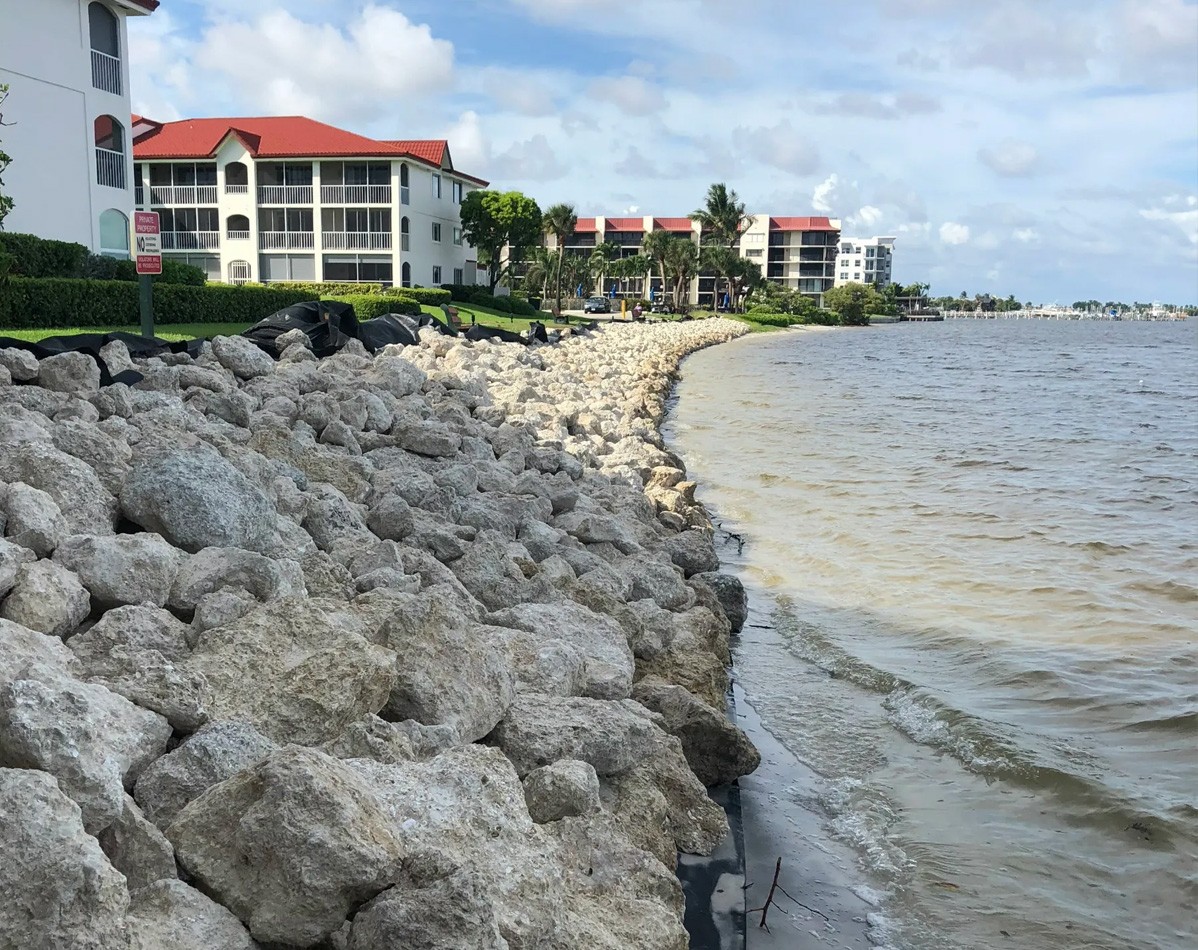
Building a strong revetment wall is essential for shoreline protection, particularly in areas prone to erosion. The primary purpose of a revetment wall is to absorb and deflect the energy of incoming water, thereby minimizing erosion and protecting the land behind it. Designing an effective revetment wall requires a thorough understanding of coastal dynamics, geological conditions, and material properties. This article provides insightful design tips to guide the creation of robust and efficient revetment structures.
Understanding the Basics of Revetment Walls
Revetment walls are sloped structures placed on banks or cliffs in such a way that they absorb the energy of incoming waves. They are constructed using various materials, each providing unique benefits and challenges. The choice of materials often depends on site-specific conditions, cost considerations, and environmental impact.
Types of Materials Used
- Rock Armor: Rocks are commonly used due to their durability and natural appearance. They are effective in dissipating wave energy.
- Concrete Blocks: Precast concrete blocks offer versatility and can be engineered to fit specific design requirements.
- Geotextiles: These materials are used to stabilize the ground, providing an additional layer of protection.
Choosing the right material is crucial for the longevity and effectiveness of the revetment wall. Discover expert strategies here to select the best materials for your project.
Design Considerations for a Strong Revetment Wall
The design of a revetment wall should be tailored to the specific site conditions and anticipated stress from wave action. Several critical factors must be considered during the design phase:
Site Assessment
- Wave Climate: Understand the local wave conditions, including height, frequency, and direction, to optimize the design for maximum effectiveness.
- Soil Conditions: Analyze the soil profile to ensure that the foundation of the wall is stable and capable of supporting the structure.
- Environmental Impact: Consider the ecological implications and aim to minimize adverse effects on the local environment.
For further guidance on evaluating site conditions, learn about tailored solutions that can be applied to various environments.
Structural Design
- Slope Angle: A gentle slope is more effective in dissipating wave energy compared to a steep incline.
- Height and Length: Design the height and length of the wall to adequately protect the shoreline against expected wave action.
- Drainage: Incorporate drainage solutions to manage water flow and prevent undermining of the wall.
Explore advanced guides and tips on structural design techniques to enhance the durability of revetment walls.
Maintenance and Longevity
Regular maintenance is crucial to ensure the longevity and functionality of a revetment wall. Periodic inspections can help identify and rectify issues before they escalate into major problems.
Maintenance Practices
- Regular Inspections: Conduct inspections to check for any signs of wear, erosion, or structural damage.
- Vegetation Management: Control vegetation growth to prevent roots from destabilizing the structure.
- Repair Works: Address any damage promptly to maintain the integrity of the wall.
To effectively manage revetment wall maintenance, find out more about this approach to ensure long-term effectiveness.
In conclusion, designing a strong revetment wall requires careful consideration of material selection, site conditions, and maintenance strategies. By understanding the fundamental principles and leveraging expert guidance, it is possible to create a revetment wall that offers robust protection against coastal erosion.