
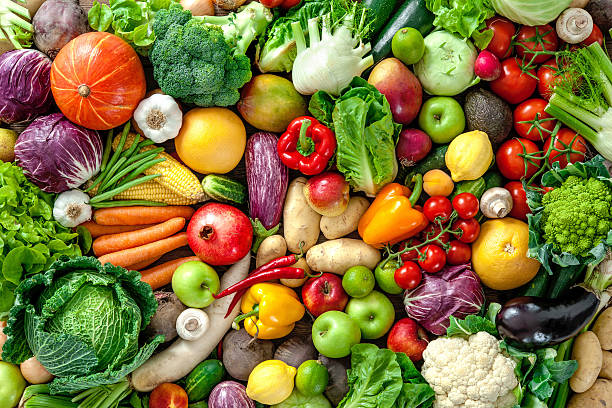
The global demand for sustainable protein sources is on the rise, driven by increasing awareness of environmental concerns and the need for nutritious food options. Traditional protein sources such as meat and dairy are being scrutinized for their environmental impact, leading to a shift towards more sustainable alternatives. This transformation in the protein industry is not only pivotal for environmental sustainability but also presents vast opportunities for innovation and development in food technology.
The Need for Sustainable Protein
As the global population continues to grow, so does the demand for protein-rich diets. However, conventional protein production methods are resource-intensive and contribute significantly to greenhouse gas emissions. The need for sustainable protein sources is critical to:
- Reduce environmental impact and carbon footprint.
- Provide nutritious alternatives to meet the dietary needs of diverse populations.
- Ensure food security in the face of climate change.
Innovative companies are leading the charge in developing sustainable protein ingredients. Discover expert strategies here.
Emerging Protein Sources
Plant-Based Proteins
Plant-based proteins are gaining popularity due to their lower environmental footprint compared to animal-based proteins. They offer:
- A reduction in land and water use.
- A decrease in greenhouse gas emissions.
- Versatility in food applications such as meat alternatives, dairy substitutes, and more.
Learn about our tailored solutions to incorporate plant-based proteins in innovative food products.
Insect Proteins
Insect proteins are an emerging source of sustainable nutrition. With high protein content and minimal environmental impact, they offer a promising alternative:
- Require fewer resources compared to traditional livestock.
- Produce minimal greenhouse gases.
- Are rich in essential nutrients and amino acids.
Explore advanced guides and tips on integrating insect proteins into food systems.
Algal Proteins: The Future of Sustainability
Algal proteins are gaining traction as a highly sustainable protein source. Algae can be cultivated with minimal resources and have a myriad of benefits:
- High protein yield with low land and water use.
- Ability to thrive in various environmental conditions.
- Potential to sequester carbon dioxide, contributing to climate change mitigation.
Find out more about this approach to harnessing algal proteins for food innovation.
Challenges and Opportunities
Despite the promising potential of sustainable proteins, there are challenges to overcome:
- Consumer acceptance and perception of novel protein sources.
- Regulatory hurdles and food safety standards.
- Investment in research and development for scaling production.
Addressing these challenges requires collaboration across industries and disciplines. The opportunities for growth and innovation in sustainable protein ingredients are vast and hold the promise of reshaping the future of food.