
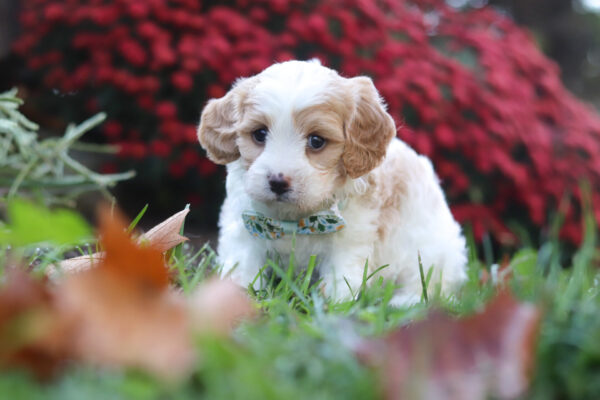
Puppy biting is a natural behavior that every new dog owner is likely to encounter. While it may seem playful and harmless, allowing this behavior to continue can lead to bigger problems as the puppy grows. Training your puppy to stop biting is essential for their development and safety. Understanding why puppies bite and learning strategies to curb this behavior will help you foster a well-mannered companion. Training requires patience, consistency, and the right approach, all of which are covered in expert guides and resources. For comprehensive assistance and strategies, discover expert strategies here.
Understanding Puppy Biting Behavior
Puppies explore the world with their mouths. Biting is a part of their teething process and a way to interact with their environment. It”?s important to recognize that this behavior is not inherently aggressive. However, without proper guidance, a puppy might not learn to distinguish between acceptable and unacceptable biting.
Common Reasons for Puppy Biting
- Teething discomfort
- Exploration and play
- Lack of bite inhibition training
- Attention-seeking behavior
- Overstimulation
By understanding these reasons, you can tailor your training approach to effectively manage and reduce biting. To learn more about addressing these behavioral issues, learn about our tailored solutions.
Effective Training Techniques
Redirecting Biting Behavior
One of the most effective methods to stop puppy biting is redirection. Provide appropriate chew toys and immediately replace your hand or clothing with a toy when your puppy starts to bite. Consistent reinforcement will teach your puppy what is acceptable to bite.
Using Positive Reinforcement
Rewarding your puppy for gentle play and ignoring or redirecting them when they bite helps reinforce good behavior. Praise, treats, and affection are powerful incentives for puppies. Positive reinforcement should always be timely to ensure your puppy associates the reward with the correct behavior.
Implementing Time-Outs
If your puppy becomes overly excited and bites during play, a short time-out can be effective. Cease play and ignore the puppy briefly. This teaches them that biting results in the end of playtime, which is often a powerful deterrent. Explore advanced guides and tips on this method here.
Additional Tips and Tricks
- Socialization: Expose your puppy to different environments and other dogs to improve their behavior.
- Exercise: Ensure your puppy receives adequate physical and mental stimulation to reduce excess energy.
- Consistency: Be consistent with commands and training across all members of the household.
- Professional Help: Consider professional training if biting persists, as this can provide personalized guidance.
Training a puppy not to bite requires a commitment to understanding their needs and consistent practice of effective techniques. The goal is to shape a well-behaved puppy that grows into a well-mannered dog. For further information on these techniques and more, find out more about this approach.