
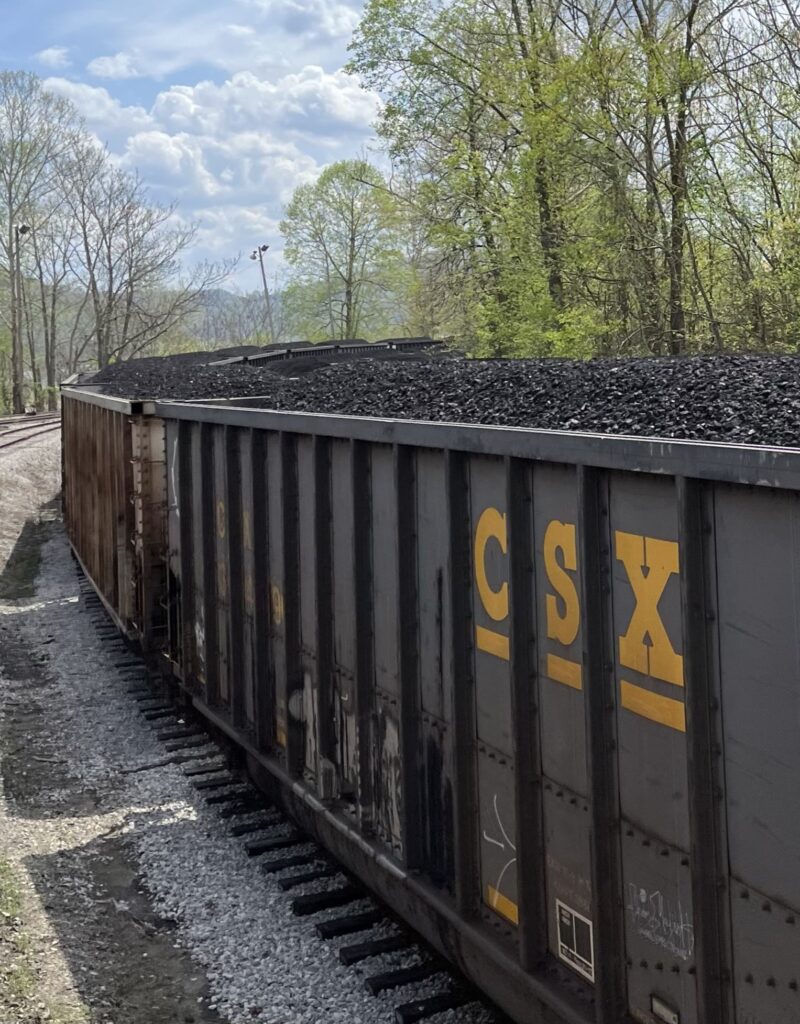
In the rapidly evolving landscape of global trade, businesses are constantly seeking ways to enhance efficiency and reduce costs within their supply chains. Rail freight services have emerged as a sustainable and cost-effective alternative to traditional road and air transportation methods. Leveraging these services can significantly improve the logistics and supply chain operations of a business, providing several advantages that cater to the modern demands of speed, reliability, and environmental responsibility.
Advantages of Rail Freight Services
Rail freight services offer a host of benefits that can streamline supply chain management:
- Cost Efficiency: Rail transport is generally more cost-effective for large shipments over long distances compared to road or air transport due to lower fuel costs and the ability to move larger quantities in a single trip.
- Environmental Impact: Trains have a lower carbon footprint than trucks or planes, making rail freight a more environmentally sustainable option.
- Reliability and Speed: Rail services are less affected by traffic congestion and have a consistent schedule, ensuring timely delivery of goods.
- Safety and Security: Rail transport is less prone to accidents and theft, providing a safer method for transporting valuable or sensitive goods.
Integrating Rail Freight into Your Supply Chain
The integration of rail freight services into a supply chain requires strategic planning and collaboration with logistics partners. This process involves:
Understanding Your Logistics Needs
To effectively integrate rail freight, businesses must first evaluate their specific logistics requirements. This includes analyzing shipment sizes, destinations, and time constraints. Learn about our tailored solutions to match these needs effectively.
Partnering with Reliable Rail Service Providers
Selecting the right rail freight service provider is crucial. Businesses should look for providers with a proven track record of reliability, comprehensive network coverage, and flexible service options. Discover expert strategies here to choose the best partners for your logistics requirements.
Optimizing the Supply Chain Network
Optimization involves aligning rail services with existing logistics frameworks to ensure seamless operations. This includes the strategic placement of distribution centers near rail hubs and the use of technology to track shipments in real-time. Explore advanced guides and tips to enhance your supply chain efficiency.
Challenges and Solutions
While rail freight services offer significant benefits, businesses may face challenges such as limited rail infrastructure in certain regions or complex regulatory requirements. Addressing these challenges involves:
- Infrastructure Limitations: Collaborating with local authorities and stakeholders to improve rail access and facilities can mitigate infrastructure issues.
- Regulatory Compliance: Staying informed about international trade and transportation regulations is crucial. Find out more about this approach to navigate regulatory landscapes effectively.
Conclusion
Rail freight services present a promising opportunity for businesses to streamline their supply chains, reduce costs, and enhance environmental sustainability. By understanding logistics needs, partnering with reliable providers, and optimizing supply chain networks, companies can harness the full potential of rail freight. As the global market continues to evolve, leveraging efficient and sustainable transportation methods will remain a critical factor in maintaining competitive advantage. For more insights and strategies, businesses are encouraged to explore comprehensive resources available through industry experts.