
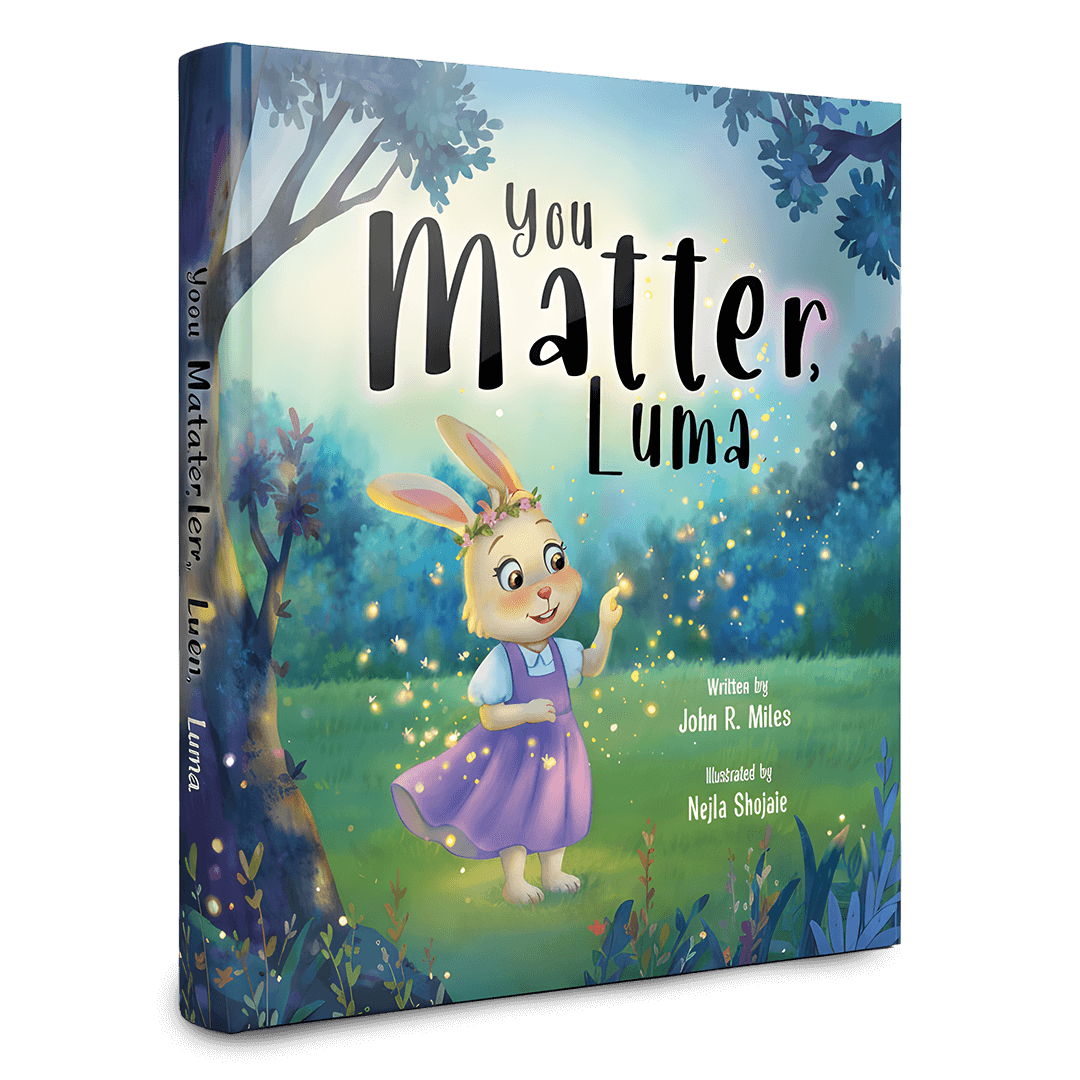
Social Emotional Learning (SEL) is a crucial component of modern education, providing children with the skills they need to manage emotions, establish positive relationships, and make responsible decisions. Storybooks have emerged as an effective medium for conveying these essential skills to children. By integrating SEL into engaging narratives, educators and parents can foster emotional intelligence in young learners. This article explores some of the most effective storybooks for teaching SEL, providing a gateway to a more empathetic and socially aware generation.
Understanding SEL Through Storytelling
Storybooks are powerful tools in teaching SEL because they engage children through relatable characters and situations. This engagement allows children to develop empathy and understand diverse perspectives. The narratives often reflect real-life challenges, making it easier for young readers to apply learned skills in their own lives.
Key Benefits of SEL Storybooks
- Facilitate emotional awareness and self-regulation.
- Enhance decision-making skills through relatable scenarios.
- Promote empathy and understanding of different cultures and viewpoints.
- Foster better communication and interpersonal skills.
To delve deeper into how storybooks can support SEL, discover expert strategies here.
Top SEL Storybooks for Children
When selecting storybooks for SEL, it’s important to choose stories that are age-appropriate and resonate with the child’s experiences. Here are some recommended titles that effectively incorporate SEL principles:
1. “The Invisible Boy” by Trudy Ludwig
This touching story addresses themes of inclusion and empathy. It follows a young boy who feels invisible at school until a new friend helps him find his place. It’s an excellent resource for teaching children about kindness and the impact of their actions on others. Learn about our tailored solutions for integrating such narratives into learning.
2. “Have You Filled a Bucket Today?” by Carol McCloud
A metaphorical approach to kindness, this book encourages children to fill the ‘invisible bucket’ of others with positive actions. It is a simple yet profound way to teach empathy and the importance of positive interactions. Explore advanced guides and tips for teaching empathy through storytelling.
3. “I Am Peace: A Book of Mindfulness” by Susan Verde
This book introduces mindfulness to children, helping them understand their emotions and thoughts. The calming narrative and beautiful illustrations guide young readers in finding peace and balance in their lives. Find out more about this approach to mindfulness in education.
Incorporating SEL Storybooks in Daily Learning
Incorporating SEL storybooks into daily learning routines can be highly beneficial. Here are some strategies to effectively use these books:
- Integrate storytime sessions that focus on SEL themes, encouraging discussions that allow children to express their thoughts and feelings.
- Create activities based on the stories, such as role-playing or art projects, to reinforce the lessons learned.
- Engage in follow-up discussions to connect the story’s themes with real-world situations children might encounter.
Educators and parents can explore advanced guides and tips to further enhance the impact of SEL through storytelling.
Conclusion
SEL is an integral part of a child’s development, and storybooks provide an accessible and effective means of delivering these lessons. By selecting the right stories, educators and parents can nurture the emotional and social growth of children, preparing them for the complexities of the world. For a comprehensive selection of storybooks and strategies to implement SEL, discover expert strategies here.

