
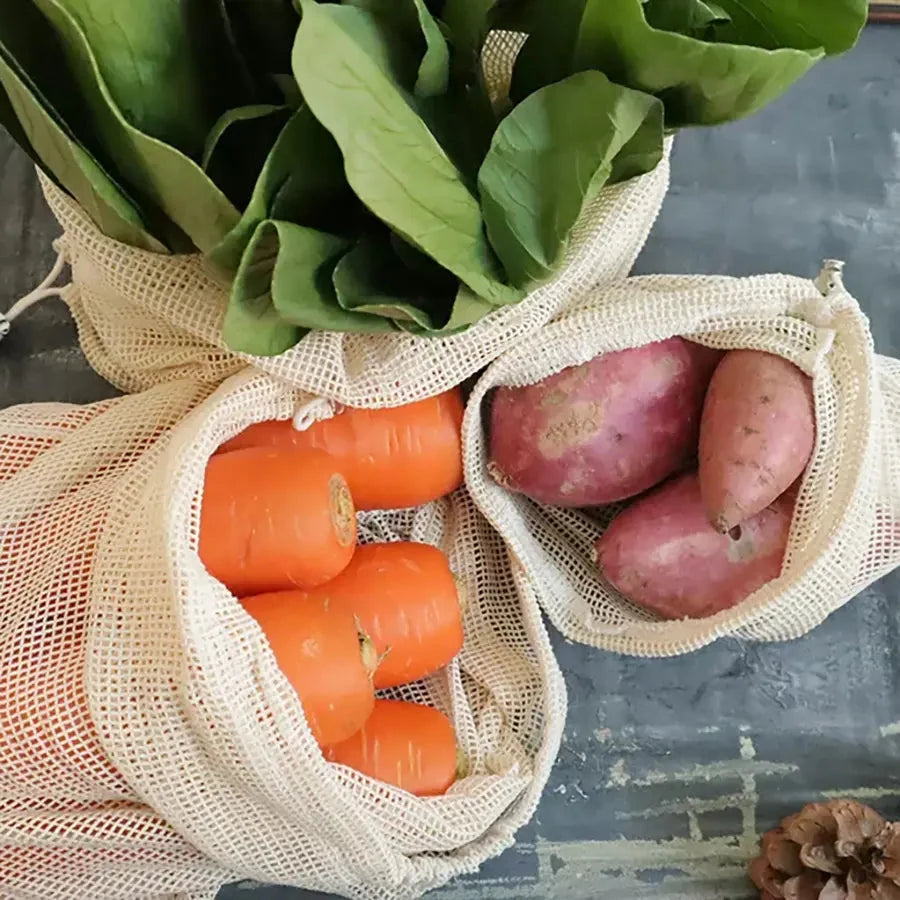
In recent years, the environmental impact of plastic waste has become a growing concern for consumers and businesses alike. One of the significant contributors to this pollution is the use of plastic bags, particularly in the grocery industry. As awareness increases, many individuals are seeking sustainable alternatives that not only reduce their carbon footprint but also promote a healthier planet. Among these alternatives, eco-friendly produce bags have emerged as a popular choice, offering a practical and sustainable solution to everyday shopping needs.
The Problem with Plastic Bags
Plastic bags are ubiquitous in the grocery sector, but their convenience comes at a considerable cost to the environment. Here are some of the key issues associated with plastic bags:
- Non-biodegradable: Traditional plastic bags can take hundreds of years to decompose, leading to long-term environmental damage.
- Marine Pollution: A significant portion of plastic waste ends up in the oceans, harming marine life and disrupting ecosystems.
- Resource-Intensive: The production of plastic bags consumes natural resources and releases greenhouse gases.
Benefits of Eco-Friendly Produce Bags
Switching to eco friendly produce bags offers numerous advantages that extend beyond environmental conservation:
- Reusability: Designed to be durable and long-lasting, these bags can be used multiple times, reducing the need for single-use plastics.
- Biodegradability: Many eco-friendly bags are made from materials that decompose naturally, minimizing their environmental footprint.
- Variety of Materials: Options include organic cotton, hemp, and jute, each offering unique benefits and sustainable qualities.
- Versatility: Suitable for a range of produce, these bags can accommodate fruits, vegetables, and bulk items without compromising freshness.
How to Choose the Right Eco-Friendly Produce Bag
When selecting eco-friendly produce bags, consider the following factors to ensure the best choice for personal and environmental needs:
Material
The material of the bag plays a significant role in its sustainability and functionality. Organic cotton and hemp are popular choices due to their eco-friendly production processes and durability.
Size and Capacity
Evaluate the size of the bags to ensure they can accommodate typical grocery shopping needs. Consider purchasing a variety of sizes for different types of produce.
Ease of Cleaning
Choose bags that are easy to clean and maintain to ensure hygiene and longevity. Machine-washable options are often preferred for convenience.
Making the Switch to Eco-Friendly Produce Bags
Transitioning to eco-friendly produce bags is a straightforward process that can significantly reduce plastic waste. Here are some steps to integrate these sustainable alternatives into everyday shopping habits:
- Start by assessing current grocery shopping habits and identifying opportunities to replace plastic bags with sustainable options.
- Invest in a set of eco-friendly produce bags that meet personal shopping needs and preferences.
- Develop a habit of carrying these bags to the grocery store to ensure they are utilized effectively.
- Encourage friends and family to make the switch to promote a collective effort towards sustainability.
Conclusion
The shift towards an eco-conscious lifestyle involves making informed choices that contribute to environmental preservation. Eco friendly produce bags offer a viable and impactful solution to reducing plastic waste. By embracing these sustainable alternatives, consumers can play a pivotal role in fostering a healthier planet for future generations. As the movement towards sustainability gains momentum, every small step counts, and choosing the right produce bags is a significant stride in the right direction.

