
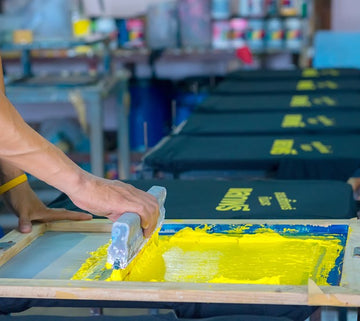
Creating a long sleeve shirt from scratch is a rewarding endeavor that combines creativity, skill, and attention to detail. For beginners, understanding the fundamental elements of shirt crafting is essential. Whether you’re designing for personal use or considering a small-scale production, this guide will walk you through the essential steps to craft the perfect long sleeve shirt. From selecting the right fabric to mastering sewing techniques, each aspect plays a critical role in the final product. With the right approach, even novices can produce garments that reflect both style and quality.
Choosing the Right Fabric
The foundation of any great shirt is its fabric. The choice of material affects the shirt?s comfort, drape, and durability. Here are some popular options to consider:
- Cotton: Known for its breathability and comfort, cotton is a versatile choice suitable for various climates.
- Linen: Ideal for warm weather, linen offers a light and airy feel, although it wrinkles easily.
- Polyester: Durable and resistant to wrinkles and shrinkage, polyester blends are practical for low-maintenance clothing.
- Flannel: A cozy option for colder weather, flannel provides warmth and a soft texture.
Selecting the right fabric is crucial not only for aesthetics but also for the garment’s functionality. Discover expert strategies here for selecting materials that align with your design goals.
Designing Your Shirt
Understanding Measurements
Accurate measurements are the cornerstone of a well-fitting shirt. Beginners should focus on:
- Chest and Waist: Measure around the fullest part of the chest and the narrowest part of the waist to ensure a comfortable fit.
- Sleeve Length: Measure from the shoulder seam to the wrist, ensuring the sleeve is neither too short nor too long.
- Shirt Length: Decide on the preferred length from the highest point of the shoulder to the desired hemline.
Understanding and recording these measurements accurately can significantly impact the comfort and appearance of the shirt. Learn about our tailored solutions to refine your measurement techniques.
Cutting and Sewing
Once the design is finalized and measurements are in place, the next step is cutting the fabric and sewing. Here are some vital tips:
- Pattern Layout: Ensure the fabric is laid flat and the pattern pieces are correctly aligned with the grain of the fabric.
- Precision Cutting: Use sharp scissors or a rotary cutter for clean, accurate cuts.
- Sewing Techniques: Beginners should start with basic stitches such as the straight stitch and zigzag stitch before advancing to more complex techniques.
For those looking to streamline their sewing process, explore advanced guides and tips to enhance your sewing skills and fabric handling.
Finishing Touches
The final touches distinguish a professionally crafted shirt from an amateur attempt. Consider these elements:
- Button Placement: Ensure buttons are evenly spaced and securely attached.
- Hemming: A neat hem is crucial for a polished look. Practice techniques like double-fold hemming.
- Pressing: Properly pressing the garment after sewing enhances the overall appearance and drape.
Attention to detail in these finishing steps can dramatically improve the shirt’s finished look. Find out more about this approach to finishing techniques that ensure a high-quality garment.
Crafting the perfect long sleeve shirt is an art that balances creativity with technical skills. By focusing on fabric choice, precise measurements, and meticulous finishing, beginners can create garments that are both functional and stylish. Embracing each step of the process with care and attention will result in a piece that not only looks good but also feels great to wear. For those eager to delve deeper into the art of shirt crafting, valuable resources and guidance are available to support every stage of the journey.

