
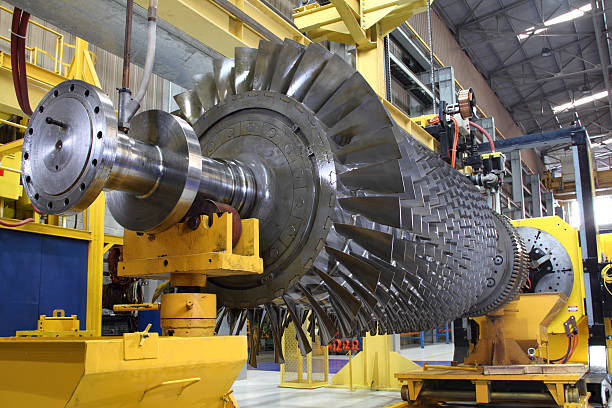
In the realm of energy production, combined cycle power plants stand as a crucial pillar due to their exceptional efficiency and reduced environmental impact. Central to these power plants are the steam turbines, which play a significant role in harnessing energy from high-temperature exhaust gases. Yet, like any complex machinery, steam turbines require regular upkeep to ensure optimal performance. The significance of combined cycle steam turbine repair cannot be overstated, as it is essential for maintaining the reliability and efficiency of power generation operations.
Understanding Combined Cycle Power Plants
Combined cycle power plants utilize both gas and steam turbines to generate electricity, capitalizing on the efficiency of two thermodynamic cycles. The process begins with a gas turbine generating electricity while its exhaust gases are used to produce steam, which in turn powers a steam turbine. This dual mechanism significantly enhances the fuel efficiency of the plant, reducing waste and emissions.
The Role of Steam Turbines
Steam turbines are integral to the effective operation of combined cycle plants. They convert thermal energy from high-pressure steam into mechanical energy, which is then transformed into electrical energy. This process is pivotal in maximizing the energy output from the fuel used, making steam turbines a critical component in the energy conversion chain.
Importance of Regular Maintenance and Repair
Regular combined cycle steam turbine maintenance is vital for ensuring efficient plant operations. Maintenance schedules typically include inspections, adjustments, and replacements of parts to prevent unexpected failures. Neglecting regular maintenance can lead to significant operational disruptions and increased costs.
Key Benefits of Regular Maintenance
- Increased Efficiency: Properly maintained turbines perform more efficiently, reducing fuel consumption and operational costs.
- Extended Equipment Life: Regular maintenance helps in identifying and addressing wear and tear, thereby prolonging the life of the turbine.
- Reduced Downtime: Scheduled repairs can prevent unexpected breakdowns, ensuring continuous operation and reliability.
- Safety Assurance: Regular inspections help identify potential safety hazards, protecting both personnel and equipment.
Challenges in Steam Turbine Repair
Repairing steam turbines involves intricate processes that require specialized knowledge and expertise. The complexity of turbine systems demands precision and understanding of both mechanical and thermal dynamics. Some of the challenges faced during combined cycle turbine maintenance include:
- Component Wear and Tear: Continuous exposure to high temperatures and pressures can lead to significant wear on turbine components.
- Material Fatigue: Over time, the materials used in turbines can experience fatigue, requiring replacement or repair.
- Technological Advancements: Keeping up with the latest technological advancements is crucial for efficient repairs and upgrades.
- Cost Considerations: Repair and maintenance activities can be costly, necessitating careful planning and budgeting.
Conclusion
In conclusion, the importance of combined cycle steam turbine repair is evident in its role in maintaining the efficiency, safety, and longevity of power plants. Without regular maintenance, the risk of operational inefficiencies and unexpected breakdowns increases significantly. By prioritizing turbine repair and maintenance, plant operators can ensure that their facilities remain at the forefront of energy efficiency and reliability, ultimately contributing to a more sustainable energy future.